Australia Faces New Supermarket Food Price Threat as El Niño Strengthens
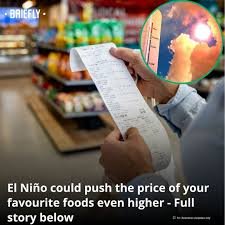
Australian supermarket shoppers could face further food price pressure as an exceptionally strong El Niño weather event threatens agricultural production across the country.
The Bureau of Meteorology is forecasting an El Niño event expected to become particularly significant during the coming months, bringing hotter and drier conditions to important agricultural regions.
The potential impact on supermarkets could be significant because weather conditions can affect the supply and cost of key commodities, particularly wheat and feed grains. Farmers are also dealing with elevated costs for diesel and fertiliser, adding further pressure to the cost of production.
Global commodity markets are already creating challenges for food producers. Global wheat prices have risen by approximately 33% since July, according to analysis cited in the latest reporting, while Australian wheat prices have increased by a smaller amount.
The effect of an El Niño event would not necessarily be immediate or uniform across supermarket categories. Some agricultural sectors could be affected more severely than others, depending on rainfall, temperatures, crop yields and access to irrigation.
Food prices in Australia have already increased substantially over recent years. Major supermarket items have experienced increases of as much as 30% over the past five years, compared with much smaller increases during the preceding five-year period.
The latest weather threat therefore comes at a sensitive time for both consumers and retailers. Supermarkets are under continued pressure to keep prices competitive, while suppliers must absorb higher production, transport and input costs.
For supermarket buyers, the situation could mean greater uncertainty when negotiating future supply contracts. Retailers may also need to monitor alternative sources of supply if domestic production of particular commodities is affected.
The potential impact extends beyond Australia. Weather disruption in one major agricultural market can influence international commodity prices and supply chains, particularly for products traded globally.
Australia’s supermarket sector will therefore be watching developments closely as the El Niño event develops.