
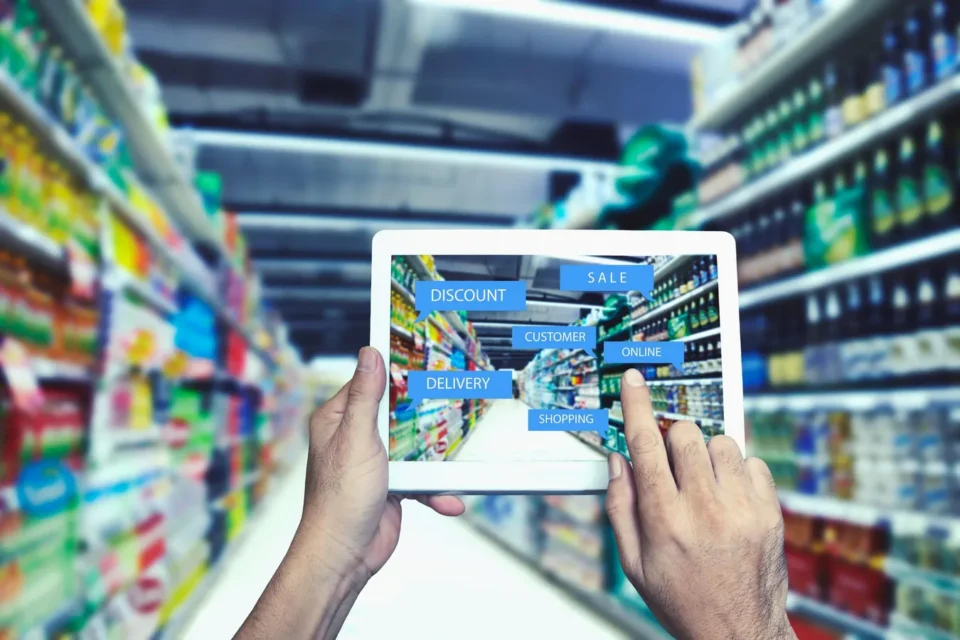
For decades, supermarkets have competed for the shopper’s attention. They have invested in bigger stores, better websites, loyalty programmes, promotions, search functions and increasingly sophisticated personalisation. But the next battle may take place before the shopper even reaches the supermarket website.
Artificial intelligence agents are beginning to build grocery baskets on behalf of consumers. The technology can interpret a request such as “plan five inexpensive family dinners”, identify products, check availability and assemble a basket. The question now is not whether AI can do it. It is whether shoppers will trust it enough to let it decide what goes into the basket.
The technology is already moving beyond experiments. Kroger and Wegmans have introduced conversational shopping assistants using agentic technology from Cooklist, allowing customers to describe what they need and receive a suggested basket. Albertsons has also developed its own agentic shopping assistant.
Instacart has gone further with Clementine, an AI grocery assistant that can turn a conversation, recipe or grocery list into a personalised cart. Its technology is also being offered to retailers through a white-label Cart Assistant, meaning the AI shopping experience can sit directly inside a retailer’s own digital operation.
For supermarket executives, this could eventually create a very different online shopping model. Instead of millions of customers searching through thousands of products, an AI agent could reduce the journey to a conversation and a basket.
That could also have consequences for retail employment.
Online grocery already requires teams to manage digital merchandising, customer service, product searches, substitutions and increasingly complex customer enquiries. If an AI assistant can answer questions, construct baskets and deal with routine requests, some of that workload could eventually require fewer human interventions.
But there is a major obstacle: trust.
Gartner found that only 11% of US consumers surveyed were willing to let AI make purchase decisions even in lower-stakes categories. Consumers were considerably more comfortable using AI to narrow choices, compare prices and find information while retaining the final decision themselves.
That distinction could define the future of online grocery.
A shopper may happily ask AI which cereal is cheaper, which products are suitable for a particular diet or what ingredients are needed for dinner. Handing over the final authority to spend the household’s money is another matter.
Retailers are also divided over whether they want outside AI agents entering their digital stores. While companies including Walmart, Shopify and Best Buy have welcomed agentic commerce, Amazon and other retailers have restricted or blocked some third-party agents.
This creates a new strategic question for supermarket boards: who should own the AI relationship with the customer?
If the retailer owns the assistant, it controls the customer relationship and product data. If an independent AI agent controls the shopping journey, the supermarket risks becoming little more than the fulfilment engine behind a basket assembled somewhere else.
After 30 years of watching supermarkets change, Riad Beladi, ISN analyst, believes this could represent a more fundamental change than another improvement to online search.
“The supermarket has spent decades trying to influence what consumers see on the shelf. AI could eventually decide what consumers see before they reach the shelf at all.”
The future of online grocery may therefore not be about removing the supermarket from the shopping journey. It could be about who controls the decision between the consumer and the supermarket.