
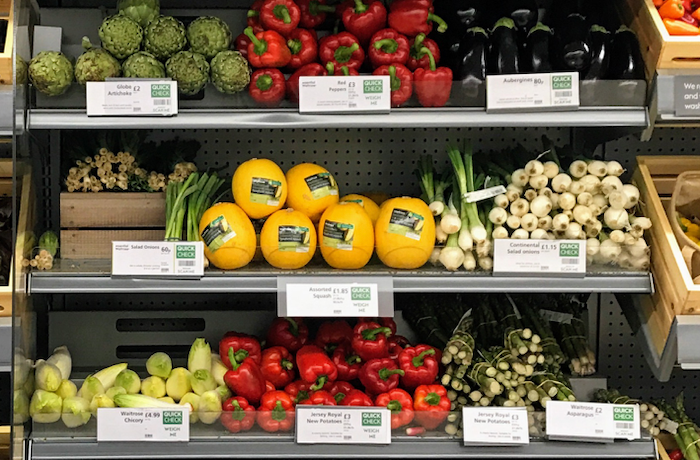
Consumer demand for organic food is reaching new heights across the United States, creating significant opportunities for growers, food manufacturers, importers, and retailers. Driven by increased awareness of health, sustainability, and food quality, organic products have become one of the fastest-growing categories in the American grocery industry.
The organic food sector has expanded well beyond specialty health food stores. Today, shoppers can find a wide range of certified organic products in virtually every major supermarket chain across the country. Fresh produce, dairy products, meat, beverages, packaged foods, snacks, and frozen meals are all experiencing strong growth as consumers continue to seek healthier alternatives.
Leading retailers are investing heavily in expanding their organic selections. Walmart, the largest food retailer in the United States, has significantly increased its range of affordable organic products, making them accessible to millions of American families. By combining competitive pricing with nationwide distribution, Walmart has helped bring organic food into the mainstream market.
Kroger, one of America’s largest supermarket operators, continues to expand its organic offerings through both national brands and its successful private-label organic lines. The company has introduced hundreds of organic products, including fresh fruits and vegetables, dairy products, bakery items, and ready-to-eat meals, responding to growing consumer demand for healthier food choices.
Albertsons has also strengthened its position in the organic market by expanding shelf space dedicated to organic products across its supermarket banners. Consumers shopping at Albertsons stores increasingly expect to find a comprehensive range of certified organic produce, meat, dairy, beverages, and grocery items. The retailer continues to invest in premium food categories that appeal to health-conscious shoppers.
Fresh organic fruits and vegetables remain the largest segment of the organic market, accounting for a substantial share of total sales. Products such as berries, apples, leafy greens, tomatoes, avocados, and citrus fruits continue to perform particularly well. Organic dairy, eggs, poultry, plant-based foods, and natural beverages are also experiencing steady growth.
Today’s consumers are looking beyond price alone. They want products that are free from synthetic pesticides, genetically modified organisms (GMOs), artificial preservatives, and unnecessary additives. Many shoppers also value environmentally responsible farming practices and sustainable packaging, making organic certification an important purchasing factor.
Private-label organic brands have become another major growth driver. Retailers are introducing their own certified organic ranges, offering consumers high-quality products at competitive prices while strengthening customer loyalty.
For food manufacturers and exporters around the world, the United States remains one of the most attractive markets for certified organic products. Buyers continue to seek reliable international suppliers capable of meeting strict quality standards, certification requirements, and consistent year-round supply.
Industry analysts expect organic food sales to continue growing over the coming years as younger consumers, families, and health-conscious shoppers increasingly incorporate organic products into their daily diets. Retailers are responding by expanding product selections, improving in-store merchandising, and investing in online grocery platforms that make organic foods easier to purchase than ever before.
As consumer preferences continue to evolve, organic food is no longer considered a niche category. It has become an essential part of the American grocery business, offering excellent opportunities for producers, exporters, distributors, and retailers looking to participate in one of the fastest-growing segments of the food industry.
