Police Warn Revolut Users: Be Careful When Shopping Online With Your Card
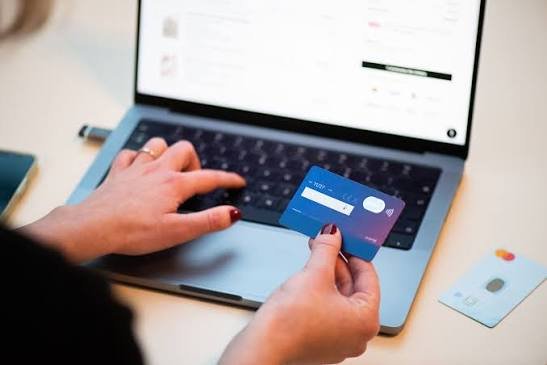
Police are urging Revolut users to take extra care with their accounts as a sharp rise in scams involving financial apps highlights how quickly criminals can turn an ordinary online purchase into a serious financial loss.
The warning comes after the States of Jersey Police reported that Revolut accounts were involved in around three quarters of scam crimes recorded on the island during a four-week period. Victims in those cases collectively lost approximately £180,000.
While many of the reported scams began with a telephone call, consumers should not assume that shopping online with a bank card is automatically safe. Criminals are increasingly looking for opportunities to obtain card details, personal information or access to banking applications, sometimes using convincing websites, fake delivery messages, fraudulent retailers and sophisticated impersonation techniques.
One of the most common methods involves a fraudster pretending to work for a bank or Revolut. The victim is told that a suspicious payment has been detected or that their account has been compromised. The caller then attempts to persuade the customer to reveal security information, approve a transaction or move money to another account.
The danger is that the scam can sound completely legitimate. Fraudsters may already know the victim’s name or other basic information, making the conversation appear more convincing and giving the impression that the caller genuinely represents the bank.
Police have also warned about cases in which accounts have been compromised directly, allowing criminals to gain unauthorised access and make transactions without the customer’s permission.
For shoppers, the warning is particularly important as online purchasing continues to become part of everyday life. Consumers should check the website carefully before entering card details, avoid clicking payment links received unexpectedly by text or email and be suspicious of retailers offering prices that appear too good to be true.
A genuine bank or financial technology company will not ask customers to reveal their passwords, passcodes or security information over the telephone. Customers should also be extremely cautious if somebody instructs them to transfer money to a so-called “safe account”.
The safest response to an unexpected fraud call is simple: end the conversation and contact the bank directly using the official telephone number or banking application. Customers should never rely on a number provided by the caller.
The Revolut warning is a reminder that the biggest weakness in digital payments is often not the technology itself but the person being manipulated into authorising access or a payment.
As consumers increasingly use mobile banking and cards for everything from supermarket shopping to online subscriptions, staying alert has become just as important as protecting the card itself.