
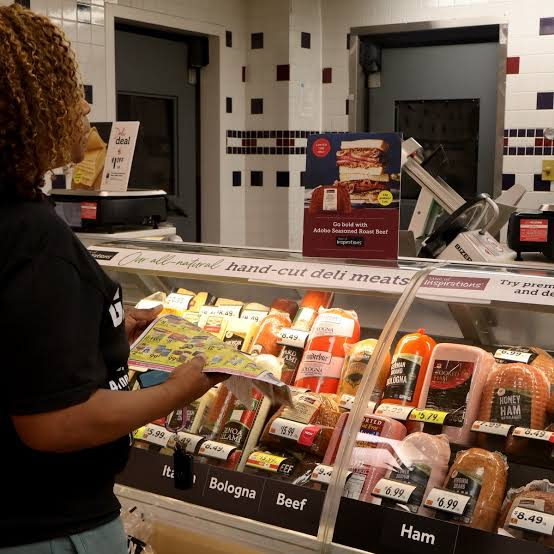
Another traditional supermarket is shrinking its footprint — and Aldi is waiting in the wings.
Stop & Shop is preparing to close more stores across the US, providing another sign that the traditional supermarket model is under intense pressure.
The latest closures include stores in New Jersey and Connecticut. The company has confirmed that its Basking Ridge and Westfield locations in New Jersey will close, while the Clinton, Connecticut store is scheduled to shut on October 29. Stop & Shop has said employees will be offered opportunities to transfer to other stores.
For shoppers, however, a supermarket closure means more than the disappearance of a familiar sign.
It changes where people shop.
And increasingly, the replacements are coming from discount competitors.
In Clinton, Aldi has already received approval to open a new supermarket close to the Stop & Shop site. The message could hardly be clearer: one supermarket is closing while a discount rival prepares to move in.
This is becoming one of the defining stories of American grocery retail.
Stop & Shop is not alone. Across the US, supermarket operators are examining stores that no longer generate sufficient returns. The company previously announced the closure of 32 underperforming stores across Connecticut, Massachusetts, New Jersey, New York and Rhode Island in 2024.
The pressure comes from several directions.
Aldi continues to build its footprint. Walmart remains the country’s biggest grocery powerhouse. Costco and BJ’s are attracting shoppers looking for value through bulk purchasing, while newer competitors such as Wegmans are entering markets where established supermarkets once dominated.
In Connecticut, the arrival of Wegmans has intensified competition, with local supermarkets facing changing customer traffic and increasingly aggressive competition on price and value.
The old supermarket model is under pressure
The problem for traditional supermarkets is that consumers have become far more price-conscious.
A large store with hundreds of employees, extensive ranges and expensive real estate has to generate substantial sales simply to remain profitable.
Discount operators have built their businesses around doing more with less.
That does not mean Stop & Shop is disappearing.
But the direction is unmistakable.
The American grocery map is being redrawn, one store at a time.
And when a traditional supermarket closes its doors and a discounter opens nearby, it tells us something important about the future of grocery retail:
American shoppers are increasingly voting with their wallets — and value is winning.