
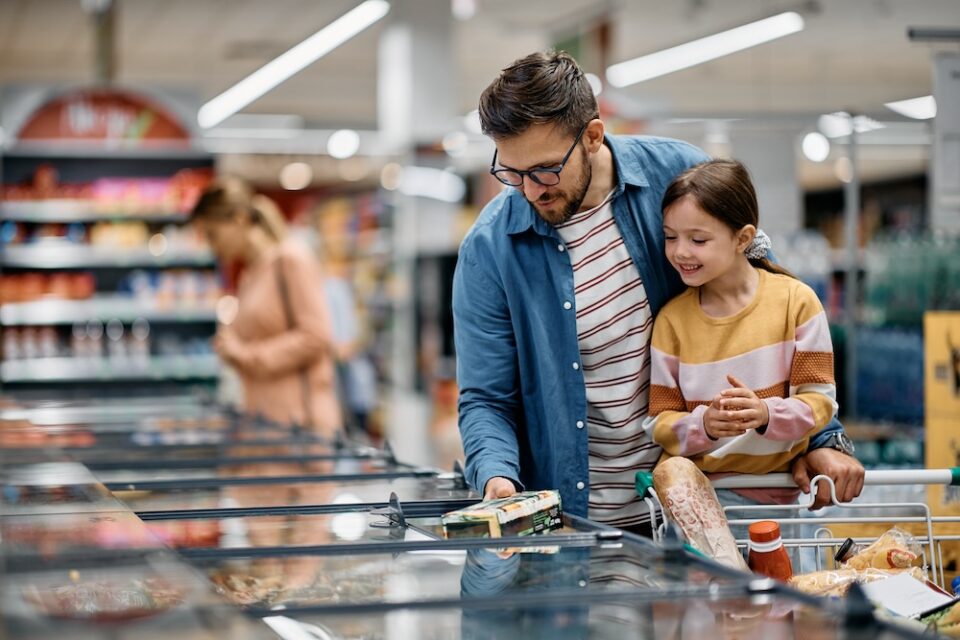
Frozen food is becoming an increasingly important category for supermarkets seeking to protect margins, attract value-conscious shoppers and respond to changing eating habits. What was once regarded primarily as a budget alternative is now competing on convenience, quality, nutrition and product innovation.
For retailers, the freezer aisle offers an opportunity to strengthen customer loyalty while reducing some of the waste associated with fresh produce. Frozen vegetables, fruit, fish and ready meals can provide longer shelf life, predictable availability and greater flexibility in stock management.
Manufacturers are also repositioning the category. Companies such as Nomad Foods, McCain and other frozen-food suppliers are investing in product development, packaging and new formats designed to appeal to consumers looking for convenient meals without compromising quality.
Private label is particularly well positioned to benefit. Supermarkets can develop premium frozen ranges, expand plant-based offerings and introduce products inspired by international cuisines, giving shoppers more choice across different price points.
The category is also evolving beyond traditional frozen pizzas, chips and ready meals. Frozen berries, smoothie ingredients, prepared vegetables, air-fryer products and portion-controlled meals are creating new opportunities for retailers to increase basket value and reach younger consumers.
However, growth will depend on more than simply expanding shelf space. Energy costs, refrigeration investment and competition for freezer capacity remain important challenges for retailers and suppliers. Merchandising, promotional strategy and clear communication about quality and convenience will be critical.
For supermarkets, frozen food is no longer simply a defensive category built around low prices. It is becoming a strategic part of the wider fresh-food offer, combining affordability, reduced waste and convenience.
As consumers increasingly balance household budgets with busy lifestyles, the freezer aisle could become one of the supermarket’s most valuable areas for innovation and long-term growth.
