
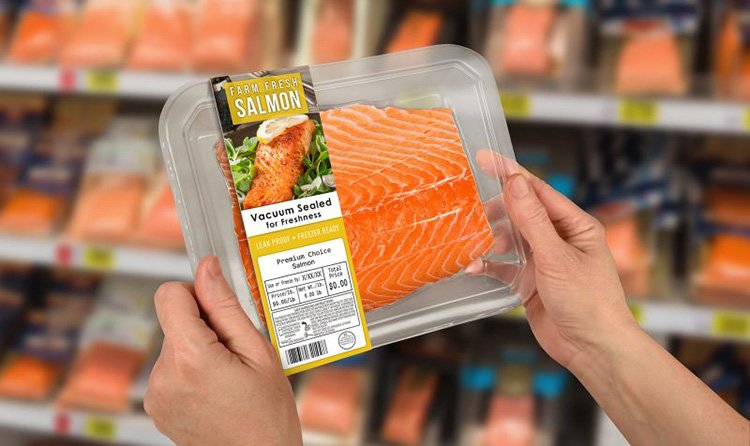
Vacuum-packed food is rapidly gaining popularity across Europe, transforming the way consumers buy, store, and consume products. Once limited to industrial use, vacuum packaging is now a common feature in supermarkets, online grocery platforms, and even home kitchens. This shift reflects changing consumer habits, advances in technology, and growing awareness around food waste and sustainability.
Strong Market Growth
The vacuum packaging market in Europe is experiencing steady growth, driven largely by demand from the food sector. The industry is projected to expand significantly over the next few years, with consistent annual growth rates. More advanced vacuum technologies, including active packaging systems, are growing even faster as companies invest in smarter ways to preserve food quality.
Food products make up the largest share of this market, as producers and retailers seek effective ways to extend shelf life and maintain freshness.
Key Drivers Behind the Trend
Longer Shelf Life and Less Waste
Vacuum packaging removes air from the package, slowing down spoilage and preserving freshness. This helps reduce food waste, an issue that is becoming increasingly important for both consumers and businesses across Europe.
Rising Demand for Convenience
Busy lifestyles have fueled demand for ready-to-eat and easy-to-store food products. Vacuum-packed items are ideal because they stay fresh longer and are easy to transport and store.
Growth of Online Grocery Shopping
The rise of e-commerce has also boosted demand. Vacuum-sealed products are more durable and better suited for delivery, making them a preferred option for online retailers and consumers alike.
Focus on Food Safety
Consumers are more conscious than ever about food hygiene. Vacuum packaging offers a sealed environment that protects products from contamination, aligning with strict European food safety standards.
Technological Innovation
Innovation is playing a major role in the expansion of vacuum packaging. Developments include smart packaging that can monitor freshness, improved materials that offer better protection against air and moisture, and lightweight flexible packaging that reduces costs and material usage.
Flexible packaging formats such as pouches and bags are particularly popular due to their efficiency and lower environmental impact.
Sustainability Challenges and Solutions
While vacuum packaging helps reduce food waste, it also raises concerns about plastic use. In response, companies are working on more sustainable solutions, including recyclable and biodegradable materials, as well as packaging designs that use less plastic overall.
Sustainability is becoming a key factor in consumer choices and industry competition.
Regional Trends
Countries such as Germany, the United Kingdom, France, Italy, and Spain are leading the adoption of vacuum-packed foods. Growth is strong across both Western and Southern Europe, with increasing demand from urban populations and younger consumers.
Future Outlook
The future of vacuum-packed food in Europe looks promising. As demand for convenience, safety, and sustainability continues to rise, vacuum packaging is becoming a standard solution rather than a niche option. Ongoing innovation and evolving consumer preferences are expected to drive continued expansion in the years ahead.
Vacuum-packed food has moved beyond its traditional role and is now a key part of modern food consumption in Europe. With its ability to extend shelf life, reduce waste, and meet the needs of busy consumers, it is set to play an increasingly important role in the region’s food industry.