
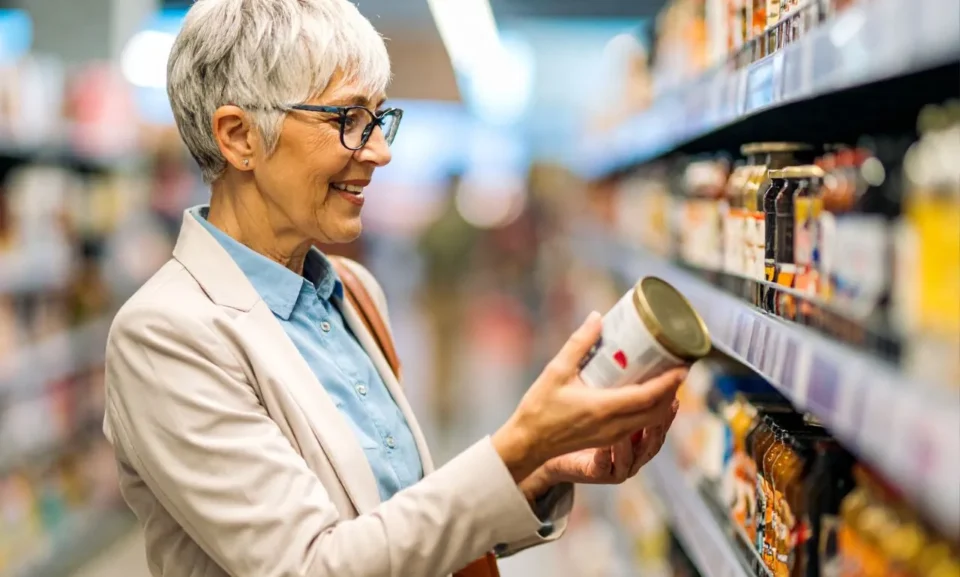
Private label has evolved from being a low-cost alternative into one of the most powerful forces reshaping the global grocery industry. Across Europe, supermarket own brands are winning market share in almost every category, forcing multinational manufacturers to rethink their strategies.
A decade ago, many consumers viewed supermarket own-label products as budget options purchased mainly during difficult economic periods. Today, that perception has changed dramatically. Retailers have invested heavily in product development, packaging, quality control and innovation. In many blind taste tests, consumers struggle to distinguish between supermarket own brands and leading international brands.
For supermarkets, private label offers several advantages. Retailers have greater control over pricing, production, packaging and product development. They can respond more quickly to changing consumer trends without relying on brand manufacturers. Most importantly, own-brand products often generate stronger profit margins than national brands.
This shift is changing the balance of power within the food industry.
Europe has become the world’s leading private label market. In countries such as Switzerland, Spain, Germany, the Netherlands and the United Kingdom, supermarket own brands account for a significant share of grocery sales. Categories such as dairy products, frozen foods, canned goods, household products, snacks and ready meals continue to see increasing private-label penetration.
Consumers are no longer buying private label purely because it is cheaper. Many choose supermarket brands because they trust the retailer. Supermarkets have spent years building their reputations, and shoppers increasingly associate those retailers with quality, consistency and food safety.
At the same time, inflation has accelerated the trend. During the recent cost-of-living crisis, millions of households switched from branded products to supermarket alternatives. What surprised many manufacturers was that a large proportion of these consumers never switched back once inflation began to ease.
Retailers are also investing in premium private-label ranges. These products are designed to compete directly with premium branded goods while remaining competitively priced. Organic foods, regional specialities, gourmet meals and healthier product ranges are increasingly developed under supermarket-owned brands.
Technology is helping retailers manage this growth. Better consumer data, artificial intelligence and advanced forecasting enable supermarkets to identify emerging trends more quickly than ever before. They can develop exclusive products based on customer purchasing habits and adjust their ranges with remarkable speed.
Manufacturers now face a more complex marketplace. Instead of competing only against other branded products, they must also compete against the retailer itself. Since supermarkets control shelf space, promotions and product placement, they hold significant influence over which products consumers notice first.
Many brand owners are responding through greater innovation. New flavours, sustainable packaging, healthier ingredients and premium positioning are becoming increasingly important as manufacturers attempt to differentiate themselves from supermarket alternatives.
Looking ahead, private label is expected to continue expanding across Europe and other international markets. Some analysts believe own-brand products could account for more than half of supermarket grocery sales in several European countries within the next decade if current trends continue.
This does not mean branded products will disappear. Global brands continue to invest heavily in research, marketing and product innovation. Many retain strong consumer loyalty and global recognition that supermarkets cannot easily replicate.
However, the relationship between retailers and manufacturers is changing fundamentally. Supermarkets are no longer simply distributors of branded goods—they are becoming major food brand owners in their own right.
The future grocery market is likely to be defined not by a battle between supermarkets, but by a battle between supermarket brands and traditional food manufacturers. It is a competition that is already reshaping the global food industry.