


For years, retailers in the United States watched China’s live shopping boom with curiosity, wondering whether American consumers would ever embrace the concept of buying products while watching live video streams. Today, that question is beginning to receive a clear answer.
Live shopping is gaining momentum across the United States, with retailers, brands and content creators investing heavily in the fast-growing sales channel. Industry forecasts suggest the American live commerce market could more than triple by the end of the decade as consumers become increasingly comfortable making purchases directly from livestreams.
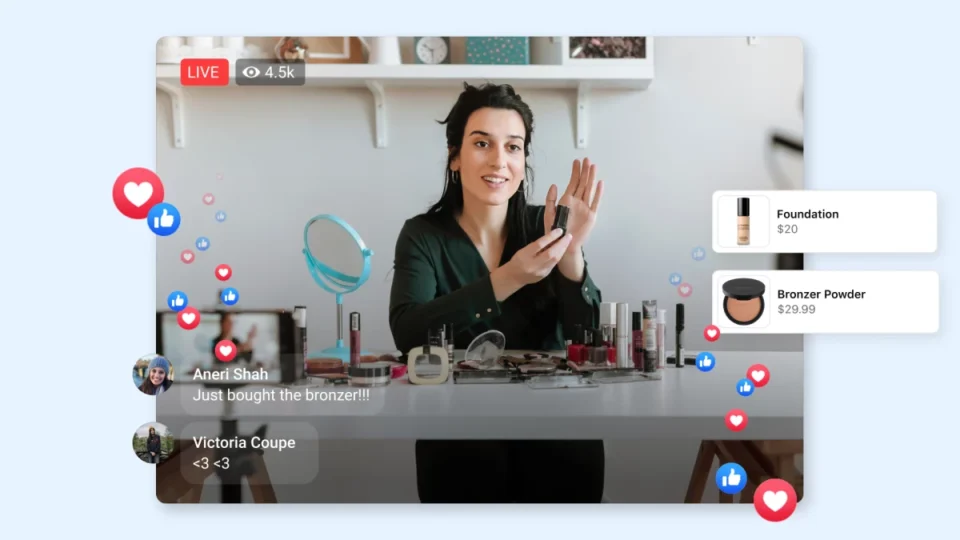
The concept is straightforward. A host demonstrates products in real time, answers customer questions, offers exclusive promotions and encourages viewers to complete purchases without leaving the live broadcast. The format combines entertainment, product demonstrations and online shopping into a single experience.
While live commerce has generated hundreds of billions of dollars in annual sales across China, adoption in the United States was initially slow. American consumers preferred traditional e-commerce websites, while retailers struggled to find the right combination of technology, presenters and product categories.
That picture is now changing rapidly.
Fashion, beauty, consumer electronics, home products and sports equipment are emerging as some of the strongest categories for live shopping events. Retailers are increasingly partnering with influencers and creators who have already built loyal online audiences, allowing brands to reach consumers in a more authentic and interactive way.
Artificial intelligence is also helping retailers personalise live shopping experiences. Recommendation engines can suggest products based on viewing behaviour, while real-time analytics allow retailers to adjust promotions during broadcasts according to customer engagement.
Major retailers are paying close attention. Many believe live shopping represents the next evolution of digital commerce, particularly among younger consumers who spend significant amounts of time watching short-form video content across multiple platforms.
The growing popularity of live commerce is also changing the role of traditional marketing. Instead of relying solely on polished advertising campaigns, brands are increasingly encouraging product demonstrations, customer interaction and live conversations that build trust and create immediate purchasing opportunities.
Retail analysts believe one of the biggest advantages of live shopping is the ability to answer customer questions instantly. Buyers can see products in use, compare features and receive immediate responses before making purchasing decisions. This level of interaction often leads to higher conversion rates than conventional online retailing.
The format is also creating new business opportunities for entrepreneurs and smaller brands. Companies that may not have the budgets for large advertising campaigns can now reach thousands of potential customers through engaging live presentations, often generating significant sales from a single event.
Technology providers are responding quickly by developing platforms that integrate payments, inventory management, customer engagement and video streaming into one seamless system. As these platforms mature, barriers to entry are expected to fall, encouraging more retailers to experiment with the format.
Although traditional stores and e-commerce websites will remain essential parts of retailing, live shopping is steadily becoming another important sales channel. For retailers willing to invest in engaging content and interactive customer experiences, the opportunity appears increasingly difficult to ignore.
As consumer shopping habits continue to evolve, live commerce is moving from an emerging trend to a mainstream retail strategy. What began as an experiment inspired by Asian markets is now establishing itself as one of the fastest-growing areas of American retail, with brands racing to secure their place in what many believe will become the next major frontier of online shopping.