
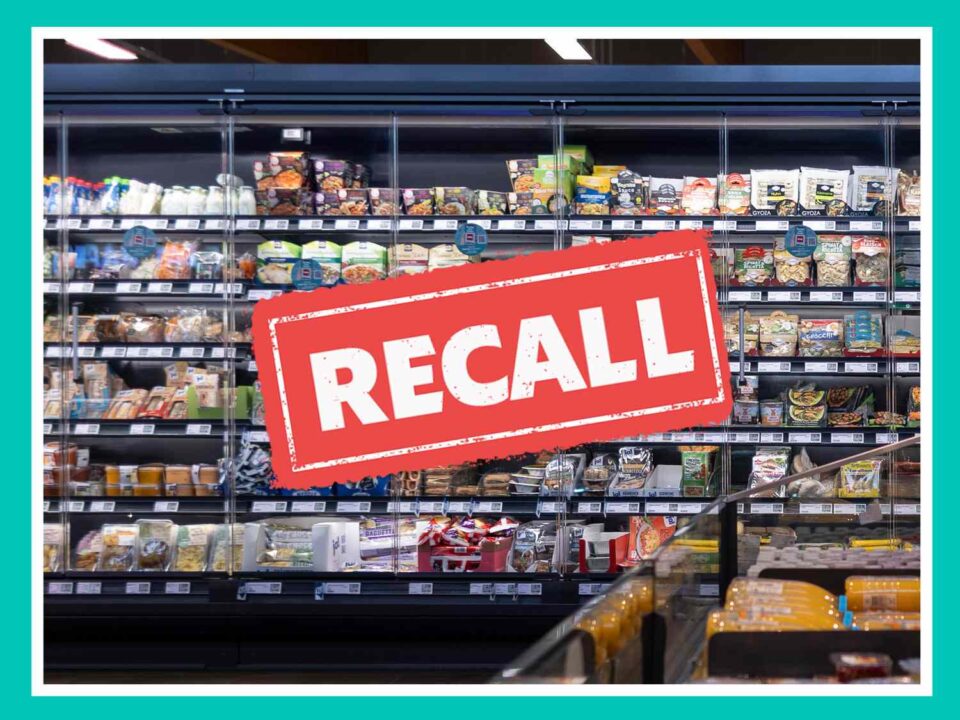
More than 2,400 breakfast sandwiches recalled as food safety puts retail supply chains under scrutiny
A relatively small food recall can create a significant challenge for supermarkets, particularly when the products involved are convenient breakfast items purchased by consumers who expect them to be safe.
A recall involving 2,414 sausage, egg and cheese biscuit sandwiches has been reported because of a possible Listeria contamination risk.
Although the quantity is limited compared with the millions of packaged food products moving through American supermarkets every day, the incident highlights a much larger issue: how effectively retailers and suppliers manage food safety once products have entered the distribution chain.
Listeria is particularly concerning because infection can cause serious illness, especially among pregnant women, older people and those with weakened immune systems.
For supermarkets, the immediate responsibility is to identify affected products, remove them from sale and ensure that customers receive clear information about what they should do if they have already purchased them.
However, the wider question concerns traceability.
Modern grocery supply chains are complex, involving manufacturers, distributors, warehouses and individual retail outlets. When a problem emerges, information must move through this network quickly enough to prevent further sales.
Retailers have invested heavily in stock management and digital supply-chain systems. Yet the real test of those investments comes when something goes wrong.
Consumers rarely see the systems operating behind the shelves. They simply expect the products they buy to be safe.
Food safety is therefore not just a regulatory obligation. It is one of the foundations of supermarket reputation, and even a relatively small recall can remind the industry how much is at stake.