

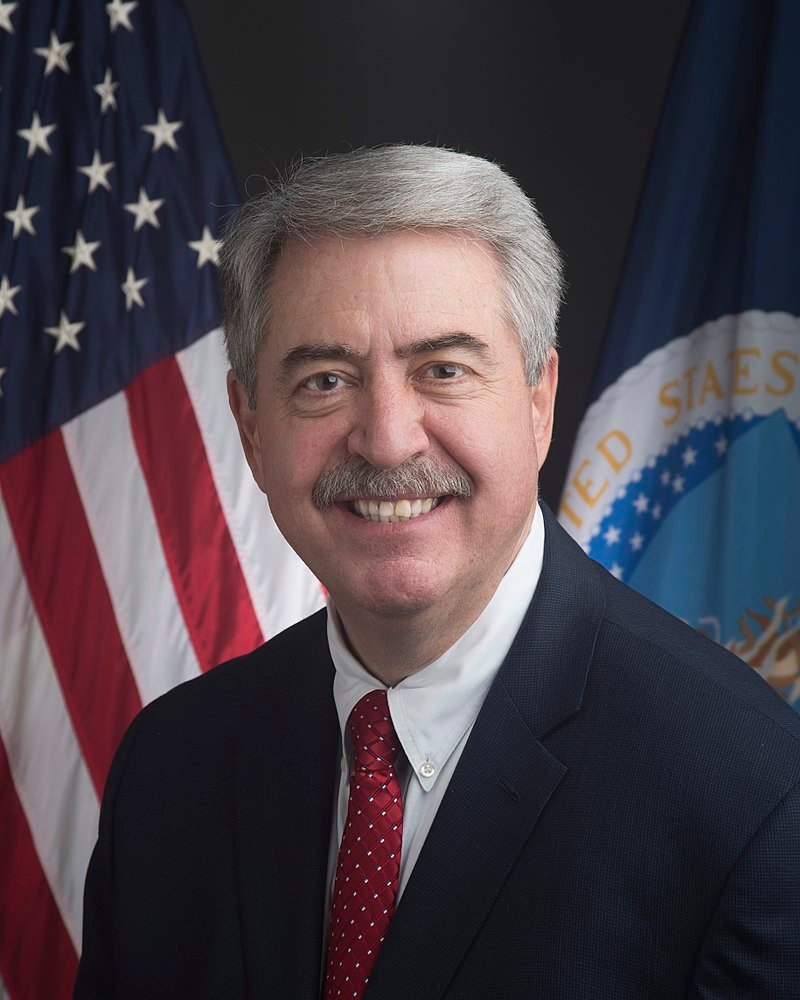

NASDA CEO Ted McKinney speaks to International Supermarket News Editor Riad Beladi about American food, agriculture and expanding U.S. products into global markets.
The United States has a diverse and powerful food industry, offering products ranging from fresh produce, meat and dairy to beverages, specialty foods and packaged goods. NASDA works with state agriculture departments and the USDA to expand international markets and create opportunities for American producers.
McKinney, who became NASDA CEO in 2021, brings extensive experience in agricultural trade and market access, particularly in helping U.S. companies compete internationally.
MIAMI: A GATEWAY TO THE WORLD
From 14–16 September 2026, the 30th Americas Food & Beverage Show & Conference will take place in Miami. The U.S. will be Country of Honor, with NASDA and USDA presenting an “A Taste of the States: Miami” pavilion featuring 165 U.S. companies, 12 state agriculture departments and 32 international buyers from 23 countries.
Miami provides an important gateway to Caribbean, Central and South American markets, connecting American suppliers with retailers, distributors and foodservice businesses.
The 2026 event highlights the growing opportunities for U.S. food exporters and marks 30 years of the Americas Food & Beverage Show and more than 25 years of NASDA, USDA and World Trade Center Miami collaboration.
International Supermarket News Editor Riad Beladi spoke with NASDA CEO Ted McKinney about American food, international markets and the opportunities emerging for U.S. producers.
Riad : NASDA has been working for many years to help American agricultural producers reach international markets. What do you see today as the biggest opportunities for U.S. food and beverage companies looking to expand their exports, particularly smaller and medium-sized producers that may not have the resources of the major international food corporations?
- TED : The strongest opportunities are in markets where growing consumer demand aligns with the high quality, innovation and diversity of American food and agriculture. NASDA, state departments of agriculture and the USDA Foreign Agricultural Service help small and medium-sized companies identify where they can compete, navigate market-entry requirements and connect with qualified buyers who can open doors to new markets. The objective is targeted growth that can develop into sustainable international business.
Riad: The 2026 Americas Food & Beverage Show is particularly important, with the United States as Country of Honor and a record “A Taste of the States: Miami” pavilion bringing together 165 American food and beverage companies. What does an event such as this achieve for American exporters that they cannot achieve simply by approaching international markets from home?
- Ted : The Americas Food & Beverage Show gives U.S. companies something that is difficult to replicate from home: face-to-face access to a large number of qualified, vetted international buyers over just three days. That concentrated access is especially valuable for the small and medium-sized businesses in NASDA’s A Taste of the States pavilion, many of which are relatively new to exporting. Companies can showcase their products, receive immediate market feedback and better understand demand, pricing, packaging and positioning while building relationships that can lead to real business opportunities. Over the years, we have seen that this show is particularly well suited to emerging exporters. Many participating buyers represent importers and distributors whose needs and scale align naturally with smaller U.S. suppliers, providing a more accessible path to exporting. With 165 U.S. companies participating and the U.S. recognized as Country of Honor, this record A Taste of the States: Miami pavilion will further elevate American products and open doors to decision-makers from around the world. That makes the Americas Food & Beverage Show more than a place to make connections. It is a powerful entry point into the global marketplace and a platform for long-term export growth.
Riad : Looking ahead, international buyers are becoming increasingly demanding about quality, traceability, sustainability, innovation and value. From NASDA’s perspective, what will American agriculture and food companies need to do to remain competitive in global markets over the next five to ten years?
- Ted : U.S. companies will need to anticipate global market changes and adapt quickly while delivering consistent quality, reliability and value. That means tailoring products and strategies to local preferences and requirements while demonstrating leadership in food safety, traceability, sustainability and innovation. Companies that listen to customers, execute consistently and invest in long-term relationships will be best positioned to compete and grow globally.
We would like to sincerely thank Ted McKinney for taking the time to speak with International Supermarket News and for sharing his valuable insights into American agriculture, international trade, and new opportunities for U.S. food producers around the world.