Aldi’s UK Store Expansion Is Becoming a Fight for Local Grocery Choice
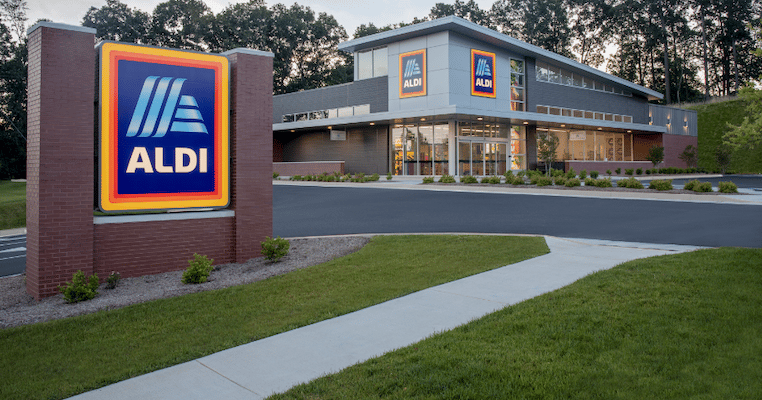
Aldi is moving into the final stretch of 2026 with an unusually aggressive push to put its stores closer to more UK shoppers, revealing 24 locations that are due to open before Christmas while several existing stores are also being relocated. The latest openings form part of a much larger expansion programme that will see Aldi launch or relocate almost 30 stores over the next 10 weeks.
At first glance, another list of supermarket openings may not look like major retail news. But Aldi’s strategy is becoming more interesting when the individual stores are viewed as part of a much bigger change in the UK grocery map.
Aldi currently has 1,092 stores in the UK and has announced plans to invest a record £900 million in Britain next year, including 40 new stores and further investment in its distribution network. Its longer-term ambition is to reach 1,500 stores.
The important question is therefore not simply how many stores Aldi is opening. It is where the discounter is choosing to put them.
The locations announced for the run-up to Christmas stretch from Bishop’s Cleeve and Malton to Orpington, Newport, Basildon, Stepney Green, Epsom, Willesden and Waterlooville. That geographical spread shows Aldi continuing to pursue a local-market strategy rather than relying solely on a small number of large regional centres.
For shoppers, store density can be just as important as price. A supermarket can offer low prices, but if customers have to travel significantly further to reach it, some of that advantage disappears. Aldi’s expansion is therefore also a battle for convenience — getting closer to households that may already have several supermarket choices.
There is another interesting element. Aldi says it has invested £340 million in price reductions on more than 1,000 products this year, while also increasing its investment in stores and distribution.
ISN sees this as a supermarket strategy built around three things happening simultaneously: price, proximity and availability.
The UK grocery market is no longer simply a battle over who can open the most stores. Retailers are trying to create a combination that keeps shoppers coming back — competitive prices, convenient locations and enough local capacity to make the supermarket part of the weekly routine.
Aldi’s latest expansion suggests that the physical supermarket is still very much part of that future. The interesting question now is how far its 1,500-store ambition will reshape the competitive landscape before the other major grocers respond.