
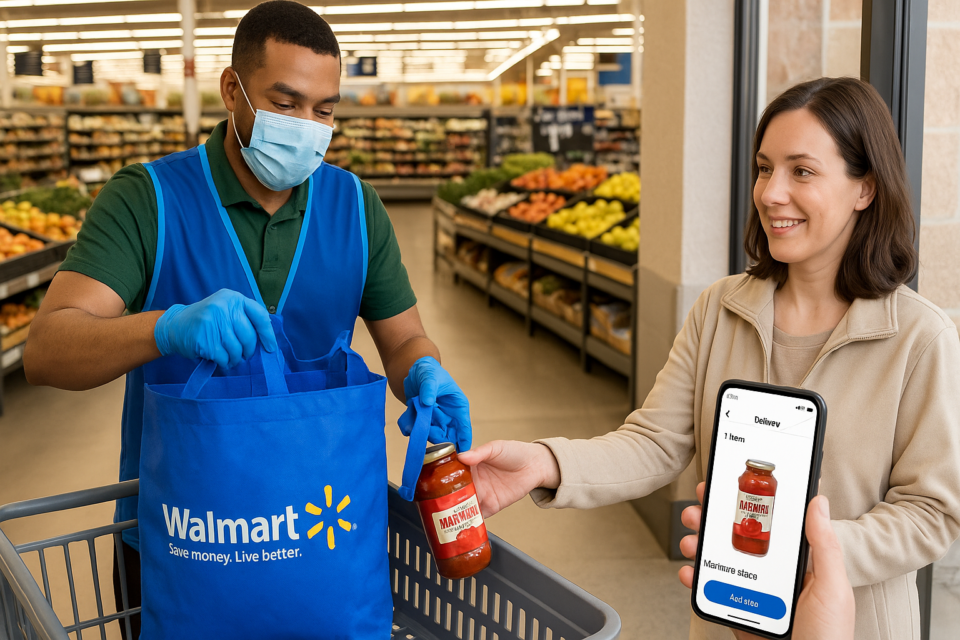
The American grocery sector is going through one of its most significant structural shifts in decades. While food retail has always been competitive, recent years have accelerated changes driven by inflation, changing consumer behavior, e-commerce growth, and aggressive expansion from discount chains. The result is a market increasingly split into three dominant forces: discount expansion, legacy chain restructuring, and retail experience reinvention.
1. Discount Grocers Continue to Expand Their Grip
One of the strongest forces reshaping the industry is the rapid rise of discount grocery chains, particularly those built on simplified operations and private-label dominance.
Chains like Aldi have become central to this movement. Their growth strategy in the United States is based on efficiency: smaller store footprints, fewer SKUs, and heavy reliance on private-label products. This model allows them to keep prices significantly lower than traditional supermarkets while maintaining profitability.
As grocery prices remain a top concern for consumers, discount retailers are benefiting from sustained demand. Households across income levels are increasingly willing to trade premium variety for affordability and consistency. This has pushed discount grocers beyond their historical customer base, expanding their appeal to middle-class shoppers who previously favored traditional supermarkets.
The expansion strategy is also physical. Discount chains are aggressively opening new locations in suburban and semi-urban markets, filling gaps left by underperforming legacy stores. This growth is reshaping local retail landscapes and increasing competitive pressure on established players.
2. Legacy Chains Under Pressure and Restructuring
Traditional grocery giants such as Kroger and Albertsons are navigating a more complex environment. These companies operate large, expensive store networks that were built for a different era of retail—one where in-person shopping dominated and price competition was less intense.
Today, they face pressure from multiple directions:
- Discount grocers undercutting prices
- Big-box retailers offering grocery as a traffic driver
- Online platforms increasing convenience expectations
In response, legacy chains are focusing on restructuring efforts. This includes closing underperforming stores, optimizing supply chains, and reducing operational costs. Many are also investing heavily in automation and logistics improvements to compete with newer, more efficient competitors.
The failed Kroger-Albertsons merger attempt highlighted just how difficult consolidation has become in the current regulatory and competitive environment. While consolidation could have created stronger scale advantages, it also raised concerns about pricing power and market concentration, limiting strategic flexibility.
Despite these challenges, legacy grocers still hold significant advantages, including strong regional footprints, established supply chains, and customer loyalty in many suburban markets. However, maintaining relevance requires continuous adaptation.
3. Target and the Rise of Experience-Based Grocery Retail
While some retailers are focused on cutting costs, others are investing heavily in improving the shopping experience. Target is a key example of this strategy in action.
Rather than competing purely on price, Target is positioning itself as a hybrid retailer—blending general merchandise with a curated grocery offering. The company is investing in store remodels that emphasize convenience, layout clarity, and integrated shopping experiences.
Modernized Target stores often include:
- Expanded fresh and packaged food sections
- Improved pickup and drive-up infrastructure
- Streamlined checkout systems
- Enhanced in-store navigation and design
The goal is not to become the cheapest option, but to become the most convenient and enjoyable one. This reflects a broader trend in retail: differentiation through experience rather than price alone.
Target’s strategy also aligns with shifting consumer expectations. Shoppers increasingly value time savings, digital integration, and frictionless fulfillment options. In this context, grocery becomes part of a broader lifestyle ecosystem rather than a standalone purchase category.
4. The Bigger Picture: A Divided Grocery Market
Taken together, these three trends are creating a polarized grocery landscape in the United States:
- Low-cost leaders are gaining share by simplifying operations and focusing on affordability.
- Traditional grocers are fighting to restructure and remain competitive amid rising costs and pricing pressure.
- Experience-driven retailers are redefining grocery as part of a broader retail journey rather than a purely transactional activity.
This divide is likely to intensify rather than narrow. Consumers are effectively segmenting themselves based on priorities: price sensitivity, convenience expectations, and shopping experience preferences.
5. What Comes Next
The future of US grocery retail will likely be shaped by a combination of efficiency and differentiation. Winners will not necessarily be those with the most stores, but those who best understand their customer segment.
We can expect:
- Continued expansion of discount grocers into new regions
- More store closures and optimization from legacy chains
- Increased investment in technology, automation, and logistics
- Greater blending of grocery with general retail and digital platforms
Ultimately, the grocery sector is moving toward a more fragmented but more strategically defined ecosystem. Companies that fail to adapt risk losing relevance in a market where consumer expectations are evolving faster than traditional business models can keep up.