Lidl’s New Checkout Push Raises a Bigger Question: Is the Supermarket Really Designing for the Shopper?
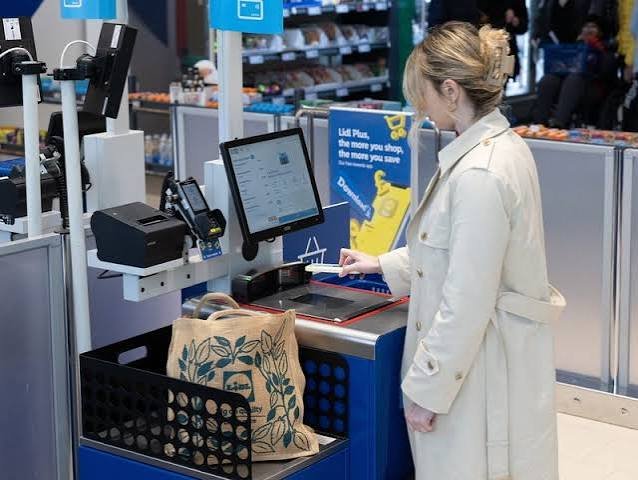
Lidl is taking another step towards changing the traditional supermarket checkout, rolling out a new generation of self-checkout machines across its UK estate. The technology is being introduced first in new stores and will then be gradually retrofitted into existing locations, making the checkout an increasingly automated part of the Lidl shopping experience.
The machines are more sophisticated than the self-checkouts many shoppers are familiar with. They feature large vertical screens, overhead cameras designed to capture the scanning process and LED signals that alert staff when assistance is required. Customers also scan their printed receipt at a gate before leaving the self-checkout area. Lidl says the machines have been designed to make the experience more customer-friendly while improving efficiency.
But the bigger story for the supermarket industry is not necessarily the technology itself. It is the question of who the checkout is ultimately being designed for.
ISN believes supermarkets need to think beyond what is operationally convenient for the retailer and ask a much simpler question: what is actually easier for the shopper?
“The supermarket checkout should think first about the user, not simply about what is convenient for the supermarket. What makes the shopping experience easier for the customer? And shoppers’ age is important. A system that works brilliantly for a 25-year-old may not feel nearly as simple for a 75-year-old shopper.” — Riad Beladi, ISN Retail Analyst
That question becomes increasingly important as supermarkets introduce several different ways of completing a shop. Lidl already offers traditional staffed checkouts, self-checkouts and its Lidl & Go scan-and-shop service, which allows customers to scan products with their smartphones and monitor their spending as they shop. The retailer has expanded Lidl & Go to 37 additional stores following positive feedback from its initial trial.
This suggests that the future supermarket may not have one checkout solution. Instead, it may offer a menu of different experiences depending on the customer, the size of the shop and how quickly someone wants to leave the store.
That could be particularly important as supermarket technology becomes more sophisticated. Automation can reduce repetitive work, improve efficiency and potentially speed up transactions, but convenience is not necessarily the same for every shopper.
For a younger customer carrying a smartphone, scanning products while walking around the store may feel natural. For another shopper, particularly someone less comfortable with digital technology, a staffed checkout may remain the easiest and least stressful option.
Lidl’s latest investment therefore raises a question that extends well beyond Lidl: as supermarkets automate the checkout, are they making shopping easier for everyone — or simply making the supermarket more efficient?