

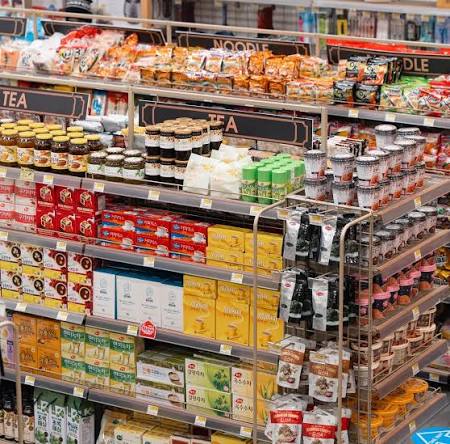
A visit to the international food aisle of a European supermarket looks very different today from ten years ago. Products that were once mainly available in specialist shops are now finding space in mainstream grocery stores, creating new opportunities for food manufacturers and importers.
Rice, noodles, coconut milk, Asian sauces and Mexican cooking ingredients are becoming important parts of the wider supermarket offer.
French supplier Terr’Asia has built its business around this demand. The company works with food producers across Asia and Mexico, supplying products to independent retailers, wholesalers and larger food businesses.
Its portfolio includes around 240 products, ranging from rice and instant noodles to sauces and coconut-based foods.
The business has attracted investment from Waterland, providing an opportunity to expand its activities and strengthen its position in the European market.
A new opportunity for supermarket buyers
Carrefour, E.Leclerc, Tesco, Aldi and Lidl have all helped make international food products more accessible to ordinary shoppers through dedicated ranges and promotional activities.
However, the opportunity goes further than stocking familiar products. Retailers can develop complete cooking solutions, combining sauces, noodles, rice and other ingredients to encourage shoppers to purchase several items together.
There is also room for innovation. Younger consumers are interested in discovering new flavours, while established shoppers are becoming more comfortable experimenting with international recipes at home.
For suppliers, the challenge is to make these products accessible without losing their authenticity. Clear packaging, understandable cooking instructions and competitive prices can make a considerable difference.
European retailers also need suppliers who understand sourcing, food safety and the consistency required by large distribution networks.
Terr’Asia operates in a category with considerable room for development. As international cooking becomes a more regular part of household shopping, specialist suppliers could become increasingly important partners for Europe’s supermarket groups.