

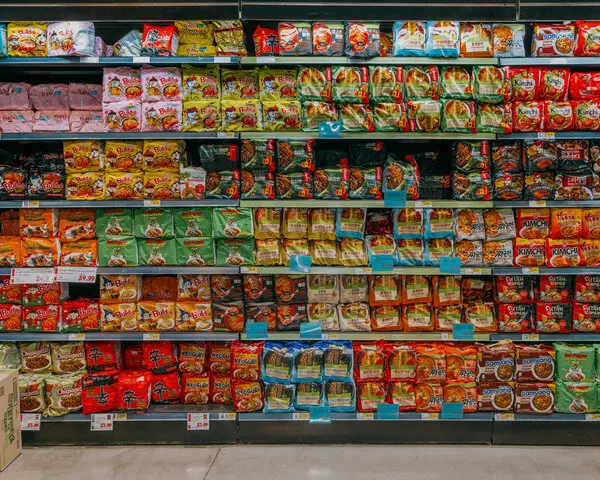
The United States grocery market has long been dominated by size, scale, and household-name brands. For decades, the strategy for success was simple: build bigger stores, stock more SKUs, and rely on national brands to drive traffic. But a subtle yet transformative trend is reshaping the landscape. European retailers entering the US are finding that cultural relevance and community connection are now just as important as square footage or brand recognition.
At the heart of this transformation lies two interlocking strategies: a targeted focus on ethnic markets and a heavy investment in private label products. Combined, they offer not only higher profit margins but a way to build deep, lasting loyalty among consumers who feel underserved by traditional supermarkets.
Understanding the Opportunity: Why Ethnic Markets Matter
The demographic reality in the US is striking. Ethnic and immigrant populations are growing rapidly, representing tens of millions of consumers with unique shopping habits, culinary preferences, and purchasing priorities. Hispanic, Asian, Middle Eastern, and African communities are not monolithic; each has distinct tastes and expectations, but all share a common trait: traditional supermarkets often fail to meet their needs.
Many mainstream chains stock a limited selection of international or culturally relevant products, often buried in a single aisle or relegated to frozen sections. Fresh, authentic ingredients are rarely prioritised, and brands familiar to these communities are often absent. For shoppers seeking authenticity, convenience, and a sense of cultural recognition, this gap is glaring.
European retailers are recognising this unmet demand. Chains entering US markets are not treating ethnic segments as a niche but as strategically valuable consumer groups capable of driving store traffic, increasing basket size, and creating loyalty that withstands promotional cycles.
Private Label: Control, Margin, and Cultural Adaptation
Private label is the key lever in this strategy. Unlike national brands, private labels allow retailers to control product quality, sourcing, pricing, and packaging. This is crucial when targeting ethnic consumers, for whom authenticity and freshness are non-negotiable.
For instance, a private label can be tailored to include specialty spices, traditional grains, or culturally specific beverages that are difficult to source consistently from external suppliers. Retailers can adapt packaging to include bilingual labels, clear origin information, and culturally resonant branding, making products feel familiar and trustworthy.
Financially, the advantage is equally compelling. Private label typically yields higher margins than national brands, while providing a testing ground for new product formats or unique regional offerings. European chains have shown that combining private label with ethnic targeting allows them to differentiate in a market crowded with low-cost national chains.
Case Studies: European Success Stories
Several European entrants provide early examples of this approach in action:
1. Lidl’s Targeted Neighborhood Stores
Lidl has opened smaller, community-focused formats in areas with high concentrations of immigrant populations. Beyond simply stocking European brands, these stores include ingredients and staples familiar to local ethnic communities, from Hispanic chilies to Asian noodles, integrated seamlessly with Lidl’s private label offerings. The strategy goes beyond product selection — store layouts, signage, and in-store communication are all adapted to local cultures.
2. Carrefour’s Global-Local Model
Carrefour has leveraged its international experience to curate culturally relevant assortments in select US stores. By combining private label and imported European products with local ethnic favourites, the retailer creates a hybrid model that balances global quality standards with local taste expectations. Carrefour also invests in staff training, ensuring employees understand cultural sensitivities and can guide shoppers effectively.
3. Grupo DIA and Hispanic Market Penetration
Spanish supermarket group Grupo DIA has partnered with local Hispanic retail organisations to strengthen community ties. Private label products are positioned alongside curated ethnic selections, and marketing campaigns celebrate cultural events and festivals. This approach builds trust and positions DIA as more than a retailer — it becomes part of the community.
Community Engagement: Beyond Products
Product assortment alone is insufficient. European retailers understand that building credibility requires cultural immersion and community engagement. Stores frequently host tasting events, cooking demonstrations, and cultural celebrations that align with local holidays and festivals. Staff are trained not only in customer service but also in cultural knowledge, helping shoppers navigate unfamiliar products and encouraging repeat visits.
Some retailers have even established advisory boards composed of community leaders to guide product selection, marketing messaging, and store design. This level of engagement ensures authenticity and fosters a sense of shared ownership that strengthens loyalty.
The Role of Store Design and Experience
Physical space plays a critical role in appealing to ethnic markets. Boutique-style formats, smaller neighbourhood stores, and flexible shelving arrangements allow retailers to blend convenience with cultural resonance. Bilingual signage, familiar colour schemes, and culturally relevant merchandising create an environment where customers feel understood rather than marginalised.
Larger formats are not abandoned, but the principle remains: shoppers must feel that the store reflects their needs and values. European retailers are demonstrating that investment in store experience is as important as investment in technology or supply chains.
Economic Logic: Profits Through Relevance
From a business perspective, targeting ethnic markets with private label products is a highly rational strategy. These consumer groups are often underserved but have significant purchasing power. They are less influenced by brand loyalty to mass-market American products and more willing to pay a premium for authenticity and quality.
Private label offers the perfect combination of flexibility, margin improvement, and brand control. Retailers can introduce exclusive products, respond to seasonal demands, and optimise pricing without being constrained by national brand partners. In effect, private label becomes both a profit engine and a cultural bridge.
Challenges and Pitfalls
Success is not guaranteed. Retailers must avoid common mistakes:
-
Misreading cultural cues: Incorrect product assumptions or poorly designed packaging can alienate target consumers.
-
Neglecting community engagement: Without active outreach, ethnic consumers may perceive the retailer as transactional rather than invested in their needs.
-
Overemphasising cost: While competitive pricing is important, it cannot replace authenticity or product quality.
The margin for error is small. In a highly competitive market, consumers have alternatives, and negative experiences can quickly undermine years of trust-building.
Looking Ahead: The Future of Ethnic-Focused Private Label
European retailers’ experiments in ethnic-focused, private label strategies are already reshaping US grocery competition. As more chains replicate and innovate on these approaches, the grocery market may increasingly shift from scale-driven strategies to relevance-driven strategies.
Success will require:
-
Deep demographic research to anticipate cultural trends
-
Strategic use of private label to balance margin and authenticity
-
Immersive community engagement to foster trust and loyalty
-
Thoughtful store design to reflect cultural values and shopping habits
For European retailers, the lesson is clear: the future of US grocery success is not just in shelf space, distribution, or logistics. It is in human connection, cultural insight, and the ability to make diverse communities feel seen, valued, and understood.
In a crowded and highly competitive market, scale alone is no longer enough. European supermarkets betting on ethnic markets and private label are demonstrating a new blueprint for growth: blend local insight with operational excellence, respect culture, and invest in the community.
For these retailers, relevance is not just a differentiator — it is the key to survival, loyalty, and sustainable profit. The next decade of US grocery retail will likely be written not by who has the largest stores, but by who best understands the communities they serve.