
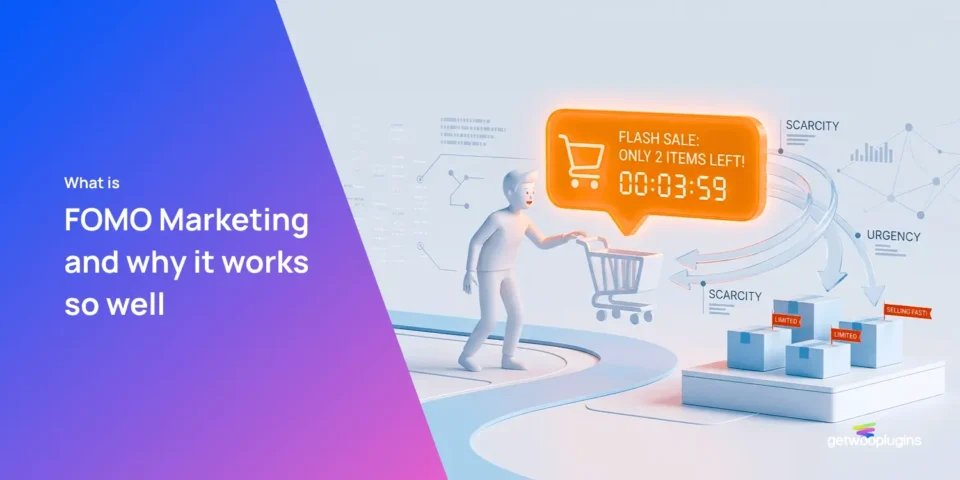
London, UK — While scarcity created by viral stockouts can create FOMO (Fear Of Missing Out) among shoppers and make products more desirable, repeated availability failures can quickly turn into frustration and put brand loyalty at risk, according to the latest research from invent.ai.
Original research of over 1,000 UK shoppers by the AI-native retail planning and inventory decisioning platform found that product scarcity driven by viral out-of-stocks can make brands more aspirational: 44% of Health & Beauty shoppers say missing out on a viral product makes a brand more appealing, rising to 57% of Gen Z. In fashion, a further 38% say a viral stockout makes a brand more desirable, rising to 54% of Millennials.
Missing out on a viral item can also remove purchasing hesitancy and make shoppers’ buying decisions faster next time. Nearly 50% of Health & Beauty consumers say they would buy faster from a brand after previously missing out on a viral product, rising to 61% of Millennials. A similar proportion (48%) of fashion consumers say the same.
“Viral demand creates a difficult balancing act for retailers. A product selling out can build excitement and make a brand more desirable. But that effect can quickly disappear if shoppers repeatedly can’t get what they want,” said Lukas Fischer, Sales Director at invent.ai. “The challenge is knowing when a viral spike is a genuine signal of future demand and when it’s simply hype – and then making inventory decisions quickly enough to keep pace.”
Consumers’ tolerance for brands that misread demand signals and have poor product availability is increasingly low. As viral content and influencer culture continue to drive demand, causing unpredictable demand spikes and pressures on product availability, six in ten (59%) shoppers say viral social trends are causing products to sell out quicker, while over half (53%) believe influencer and celebrity content drives up out-of-stocks.
Nearly half (49%) say they become frustrated when viral products sell out and believe retailers should have forecasted demand better. That frustration rises to 61% when retailers fail to anticipate demand for popular items.
The loyalty risk is also clear, with more than half of shoppers saying repeated availability problems would make them reconsider their relationship with a brand: 55% of fashion shoppers would question their loyalty to a retailer, while 53% of Health & Beauty shoppers would reassess their brand allegiance.
“Scarcity can create desire, but it’s availability that builds lasting loyalty,” Fischer continued. “Retailers need to anticipate these fast-moving demand signals and adapt inventory decisions in real-time to convert hype into long-term customer relationships, rather than short-lived viral demand spikes.”