Maryland’s New Grocery Pricing Rule Puts Electronic Shelf Labels Under the Spotlight
A new chapter in supermarket pricing began in the United States this week, but it is not being written by a retailer. Maryland’s Protection from Predatory Pricing Act came into effect on 1 October, introducing restrictions on how food retailers and third-party grocery delivery services can use dynamic pricing and consumer data.
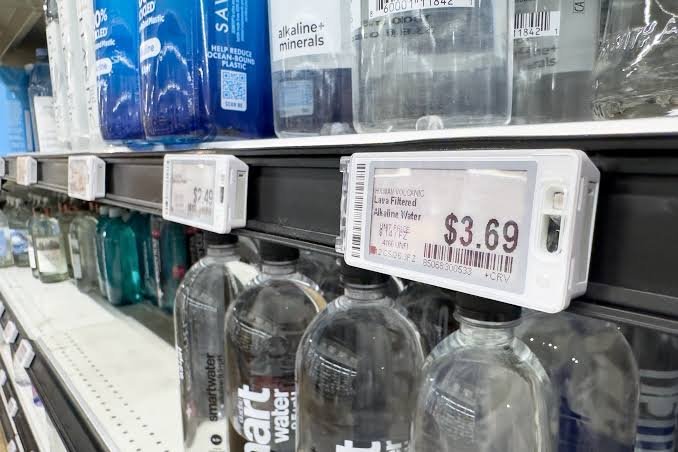
The development is particularly significant because supermarkets are rapidly replacing traditional paper tickets with electronic shelf labels. The technology allows prices to be changed centrally and almost instantly, giving retailers a level of flexibility that was impossible when every shelf ticket had to be replaced manually. Walmart, for example, has been expanding digital shelf labels across its US stores, while its chief executive has recently stated that the company does not use personal information to determine what individual shoppers pay.
Maryland’s new law takes a different approach to the technology itself. It does not simply prohibit electronic shelf labels. Instead, it places limits on how pricing systems can be used. The legislation prohibits food retailers and third-party delivery providers from engaging in dynamic pricing or using consumer personal data to set prices, with the law treating certain violations as unfair, abusive or deceptive trade practices.
For supermarket technology suppliers, this could become an important distinction. Electronic shelf labels can be used for much more than changing prices. They can support faster promotions, reduce manual ticketing, improve price accuracy and allow retailers to react to supply and operational changes. The question now is where retailers draw the line between responsive pricing and personalised pricing.
ISN believes this is where the story becomes bigger than Maryland. Retailers have spent years investing in technology that gives them greater control over the shop floor. The next stage may involve giving regulators greater control over how that technology is used.
The Maryland legislation requires grocery prices to remain fixed for at least one business day and restricts the use of surveillance data in automated pricing decisions. That could create a new conversation across the retail industry as more supermarkets introduce electronic shelf labels, AI pricing systems and increasingly sophisticated customer data platforms.
The technology is not going away. In fact, the opposite appears to be happening. But Maryland has created an important test: how far should supermarket pricing technology go before regulation catches up?
For supermarket buyers and retail technology executives, that may prove to be a much more important question than simply whether the industry should adopt electronic shelf labels.