
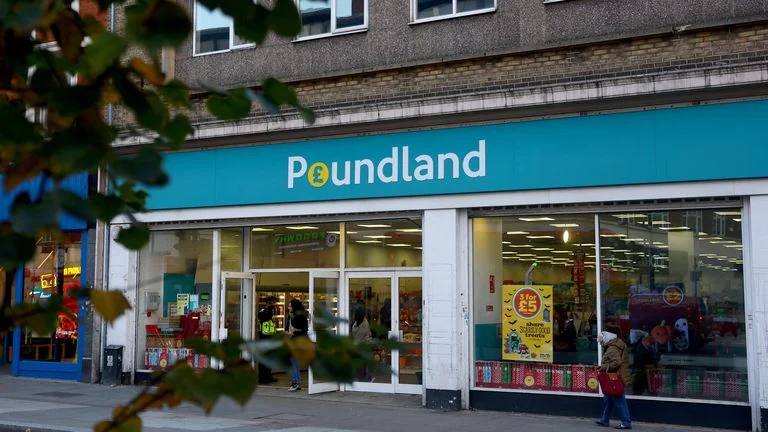
Poundland has entered administration despite several attempts to secure a buyer for the discount retailer. With a £30m shareholder loan at the centre of negotiations, questions are mounting over why a potential rescue failed and what happens to the thousands of employees, suppliers and business partners now caught in the fallout.
Poundland has officially entered administration, bringing an uncertain chapter in the retailer’s ownership to a critical point. But behind the headlines of another high-street collapse lies a more complicated story: a proposed rescue, competing takeover offers and a financial disagreement that ultimately proved difficult to resolve.
The retailer, which was acquired by US restructuring specialist Gordon Brothers from Pepco Group for a nominal £1 in 2025, had been the subject of several potential takeover proposals in recent months.
Yet despite interest from prospective buyers, no deal was completed before administrators were appointed.
The rescue deal that failed
One of the most significant proposals came from Northern Ireland-based Martin Property Group, which sought to acquire Poundland as a going concern.
The proposal had the backing of Poundland managing director Barry Williams and former Asda chief executive Andy Bond. The intention was to retain the business, protect jobs and avoid a break-up of the retailer’s extensive store estate.
However, negotiations became increasingly complicated by a £30m shareholder loan.
Gordon Brothers was owed £22.5m, while former owner Pepco was owed £7.5m. The repayment arrangements became a significant obstacle to reaching an agreement.
A second potential buyer, Xyra Group Holdings, also entered the process, reportedly offering £12.5m upfront towards the shareholder loan. Its proposal included acquiring the whole business and retaining the existing management.
However, questions were raised about its financial backing and acquisition experience.
German investor Zachert Private Equity also emerged as a potential bidder, but no completed transaction followed.
The result was a series of proposals without a successful rescue.
Why the £30m matters
The shareholder loan became one of the defining issues in the negotiations.
For a prospective buyer, acquiring Poundland meant taking responsibility for a substantial retail operation requiring working capital, stock investment, distribution and ongoing operating expenditure.
The question was how much money would remain available to support the business after the financial obligations associated with the previous ownership were addressed.
There were also concerns about access to working capital and the retailer’s ability to maintain stock orders.
For a discount retailer, availability of products is fundamental. Any disruption to purchasing can quickly affect sales, customer confidence and supplier relationships.
Gordon Brothers has maintained that Poundland faced significant financial challenges. However, the circumstances surrounding the failed negotiations leave important questions about whether a different financial arrangement could have secured a rescue.
Suppliers and employees face the consequences
The administration puts thousands of jobs at risk and creates uncertainty for the extensive network of businesses supporting Poundland.
Manufacturers, wholesalers, importers, distributors, logistics operators and service providers will be watching closely.
For suppliers, immediate concerns include outstanding invoices, existing stock commitments, credit exposure and whether future orders will continue.
The administrators must now assess the options for the business, including a potential sale of the entire operation or individual parts.
Although administration does not automatically mean immediate store closures, the future of the estate and workforce remains uncertain.
Could Poundland still be saved?
There remains a possibility that Poundland could continue under new ownership.
Administrators AlixPartners will examine the available options, including the potential sale of the business as a going concern.
Individual stores could also attract interest from competing retailers looking to expand their presence in attractive locations.
However, a sale of selected stores would be very different from preserving Poundland as a national retail business.
For employees and suppliers, the distinction is significant.
A bigger question for the retail sector
Poundland’s collapse raises wider questions about distressed acquisitions, shareholder lending and the responsibilities of investors taking control of established businesses.
The retailer was not without potential buyers. There were proposals to acquire it, management-backed efforts to preserve it and interest from investors.
What ultimately prevented an agreement remains a central question.
For Britain’s retail supply chain, the consequences could extend well beyond the loss of another familiar high-street name.
Poundland went into administration with buyers having expressed interest, but without a rescue agreement in place. The question now is whether the business can survive under new ownership, or whether one of Britain’s best-known discount retailers will become another collection of stores, assets and contracts divided up in the insolvency process.
