
ISN Editorial: Supermarkets have invested heavily in digital technology to improve efficiency, manage stock and control store operations. But the latest incidents across Europe raise an uncomfortable question: are retailers protecting the technology that keeps their food safe as carefully as the systems that handle their payments and customer data?
Supermarket operators in Sweden and Belgium are investigating incidents in which refrigeration and freezer systems were reportedly manipulated remotely, raising fresh concerns about the security of connected equipment across the grocery sector.
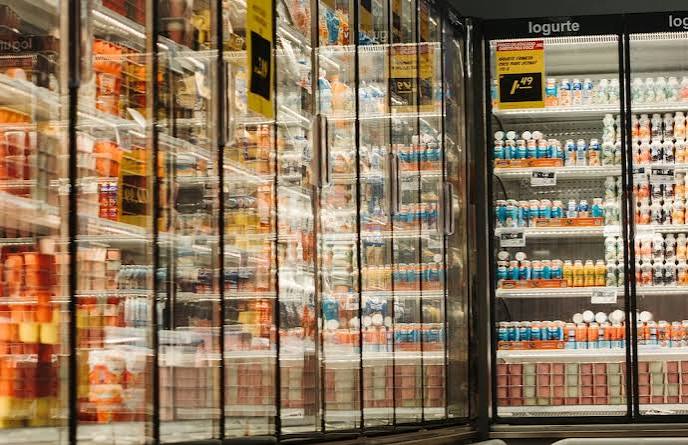
In Sweden, both ICA and Coop reported problems affecting refrigeration equipment at a number of stores. Some systems were reportedly set to unusually high temperatures, threatening the safety of chilled and frozen products.
Reports from Belgium also pointed to disruption affecting several major supermarket groups, including Delhaize, Carrefour and Spar.
The incidents come only weeks after a much larger attack in France, where hundreds of supermarkets experienced problems with connected refrigeration equipment. Some retailers were forced to discard food after temperatures rose beyond safe levels.
For the supermarket industry, the implications go well beyond the immediate cost of replacing spoiled products.
Modern stores depend on increasingly interconnected systems. Refrigeration, energy management, electronic shelf labels, stock monitoring and building controls are becoming part of a wider digital infrastructure. While this technology can deliver significant operational savings, it also creates additional points of vulnerability.
Older software and equipment that no longer receive security updates may present particular risks. Retailers must therefore look beyond conventional IT protection and examine the security of the operational technology running their stores.
There is also a supply-chain dimension. Equipment manufacturers, maintenance contractors and technology providers all have a role in ensuring that connected systems remain secure.
The ISN View
Retail technology should make supermarkets more resilient, not more exposed. The latest incidents should encourage supermarket groups to review remote access, software maintenance and emergency procedures for essential equipment.
Food safety has always been a fundamental responsibility of retailers. In an increasingly connected supermarket, cybersecurity is becoming part of that responsibility.