
By Sarah Jenkins, Consumer Behaviorist
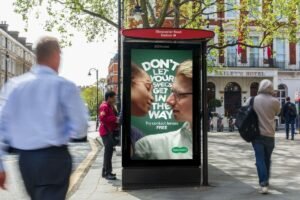
It started with poster ads at bus stops and turned into an embarrassing public spat. Lidl recently launched a direct price-comparison campaign targeting Tesco, comparing its own-brand mochi ice cream to premium alternatives sold by its rival. Tesco, clearly stung, immediately hit back, accusing Lidl of deliberately leaving out “Clubcard Prices” to manipulate the numbers. Meanwhile, a struggling Asda has thrown itself into the fray, pivoting aggressively to heavy multibuys to stop shoppers from drifting away.
As a consumer behavior analyst, I find this entire spectacle fascinating—and a little tragic. Supermarkets are no longer just selling food; they are engaging in psychological warfare.
By hyper-focusing on “dupes” and frantic promotional gimmicks, these legacy giants are revealing their deep anxiety. They know that the average shopper no longer has any brand loyalty. Under the pressure of a relentless cost-of-living crisis, consumers view supermarkets as nothing more than a math problem. This petty marketing war is a symptom of an industry that has lost its poetry, reduced entirely to a race to the bottom.