

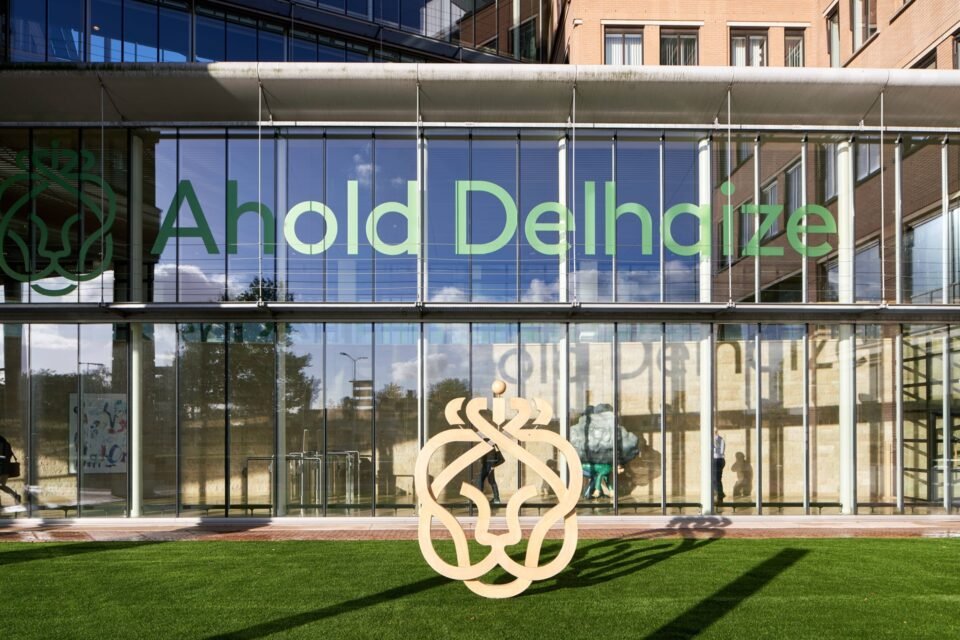
A Quiet Giant in Global Grocery
While many retail observers focus on headline-grabbing mergers and discount wars, Ahold Delhaize has steadily become one of the most influential players in global food retail. Headquartered in the Netherlands, with major operations in Europe and the United States, the company manages a portfolio of widely recognised supermarket brands including Albert Heijn, Delhaize, Stop & Shop, and Food Lion.
Unlike the more ostentatious competitors, Ahold Delhaize often operates under the radar, preferring strategic consolidation, technological investment, and disciplined operational management over flashy marketing campaigns. Yet this quiet approach has positioned it as a formidable global powerhouse.
Strategic Consolidation Across Markets
Ahold Delhaize’s growth strategy has been defined by careful acquisitions and mergers, allowing it to consolidate key positions in Europe and North America without triggering regulatory alarm bells.
By blending brands with strong local loyalty, such as Albert Heijn in the Netherlands and Delhaize in Belgium, the company benefits from established consumer trust while achieving scale efficiencies. In the United States, brands like Stop & Shop and Food Lion provide regional strength, enabling the company to compete with Walmart, Kroger, and other major national players.
This dual focus — local relevance and global scale — differentiates Ahold Delhaize from competitors who either prioritise expansion at all costs or focus narrowly on a single market.
Digital Innovation at the Forefront
Perhaps Ahold Delhaize’s most significant competitive advantage is its investment in digital infrastructure.
The company has implemented sophisticated e-commerce platforms, integrated click-and-collect systems, and AI-driven inventory management. These tools allow the retailer to anticipate demand, reduce waste, and personalise customer experiences across multiple markets.
During the pandemic, the company’s digital capabilities allowed it to respond to surging online orders more effectively than many competitors, cementing its position as a reliable and modern retailer.
Private Label Mastery
Ahold Delhaize has also invested heavily in private-label products. Brands such as AH Basic, Delhaize’s Everyday, and Stop & Shop’s private ranges combine affordability with quality, appealing to cost-conscious shoppers without compromising on brand perception.
Private-label strategy serves multiple purposes:
-
Margin improvement: Retailers capture higher profits than on national brands.
-
Customer loyalty: Shoppers returning for trusted private-label products are less likely to switch brands.
-
Supply chain control: Retailers can better manage production, sourcing, and pricing.
In an era of rising food inflation, private-label strength becomes a critical lever for competitiveness.
Sustainability and Corporate Responsibility
Ahold Delhaize is increasingly prioritising sustainability, recognising that modern consumers expect environmental accountability. Initiatives include:
-
Reducing food waste across the supply chain
-
Transitioning to renewable energy in stores and distribution centres
-
Sourcing sustainable seafood and responsibly produced groceries
-
Implementing recyclable and eco-friendly packaging
This ethical stance aligns the company with European consumer expectations and helps differentiate it from competitors solely focused on price.
Workforce and Operational Efficiency
Behind its success lies careful workforce management. Ahold Delhaize operates across multiple countries, with thousands of employees. The company invests in training, employee engagement programmes, and operational efficiency tools to ensure consistent service quality across brands.
Automation in warehouses, robotics in distribution centres, and AI-driven logistics have reduced operational costs while maintaining high service standards.
Competing with Discounters
Europe’s grocery market is increasingly dominated by discounters such as Aldi and Lidl. Ahold Delhaize faces constant pressure to maintain competitive prices while delivering quality and convenience.
The company’s strategy has been to combine discount-adjacent pricing on essentials with premium offerings in fresh produce, organic products, and prepared foods. This hybrid model helps retain traditional shoppers while appealing to emerging segments.
Data-Driven Decisions
Ahold Delhaize has leveraged customer data to tailor promotions, manage inventory, and optimise store assortments. By analysing purchase patterns, the company can anticipate seasonal demand, identify emerging trends, and personalise marketing campaigns.
This data-centric approach gives it a critical advantage over less technologically sophisticated competitors.
Global Expansion With Local Sensitivity
Ahold Delhaize balances expansion with sensitivity to local markets. Each brand retains its cultural identity, pricing strategy, and product selection adapted to local preferences.
For example, Albert Heijn focuses on Dutch tastes and quality standards, while Food Lion tailors its assortment to American consumer habits. This localisation strategy helps the company maintain relevance even as it operates on a massive scale.
The Quiet Power of Discipline
What sets Ahold Delhaize apart is discipline. Unlike high-profile rivals, the company rarely engages in aggressive public pricing battles or dramatic marketing stunts. Instead, it relies on operational efficiency, technological innovation, and strategic brand management to build sustainable competitive advantage.
This approach allows it to maintain profitability even in highly competitive markets, quietly reshaping the grocery industry without attracting the same public scrutiny as flashier competitors.
Conclusion: The Silent Giant
Ahold Delhaize exemplifies the evolution of modern supermarket retail: a hybrid of technology, scale, operational efficiency, and local relevance.
While it may not dominate headlines, the company is steadily influencing the global food retail landscape. Its careful balancing of innovation, private-label strategy, sustainability, and local adaptation positions it as a quiet but formidable force capable of shaping the sector for years to come.
In an age where aggressive marketing often overshadows substance, Ahold Delhaize’s measured, strategic approach demonstrates that sometimes silent power is the most enduring.