

By Riad Beladi
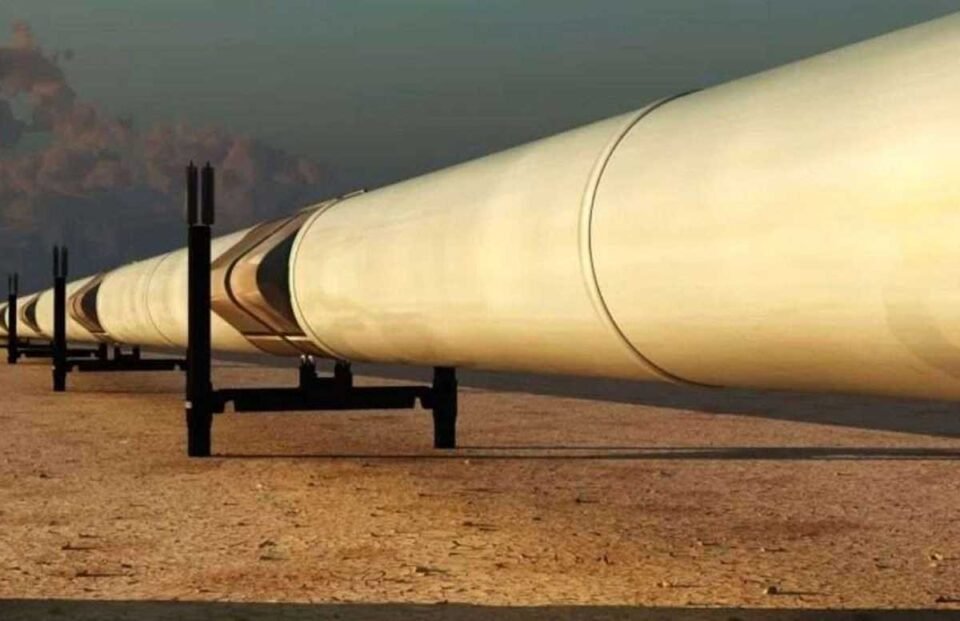
The Trans‑Saharan Gas Pipeline (TSGP) is a major energy corridor designed to carry up to 30 billion cubic metres of natural gas annually from Nigeria’s gas fields, across Niger, into Algeria, and onward to European markets. Stretching roughly 4 128 km from Warri in Nigeria to Hassi R’Mel in Algeria, the pipeline will feed into Algeria’s existing export network, including the Medgaz link to Spain and the Trans‑Med pipeline to Italy, connecting West African gas directly to southern Europe’s energy grid.
Strategic Scale and Economics
The full project carries an estimated cost of about $13 billion, covering pipeline construction, compressor stations, and supporting gas infrastructure. Funding is shared among the partner countries, with a significant portion spent in Niger to develop skills, infrastructure, and industrial capacity.
Benefits for Niger and Algeria
For Niger, a landlocked nation with limited energy export options, the pipeline creates a pathway to monetise recoverable gas reserves, boost government revenue, generate employment, and stimulate related industries such as petrochemicals and fertilisers. Transit fees and local gas utilisation will strengthen long-term economic planning.
Algeria, led by state energy giant Sonatrach, serves as the hub where Nigerian gas enters the Mediterranean export system. The country benefits from transit fees, higher export volumes, and strengthened long-term supply agreements with European buyers. Sonatrach’s expertise in operating major pipelines and LNG facilities ensures smooth integration of the new flows into existing networks.
European Integration and Price Dynamics
Once connected to the Mediterranean grid, gas from the Trans‑Saharan line can flow through Medgaz into Spain and via the Trans‑Med corridor into Italy. The pipeline could supply up to 8–10 percent of European import needs, enhancing supplier diversity and reducing dependence on limited sources. Increased supply may help ease European wholesale prices slightly, particularly during periods of high demand, by reducing scarcity pressures and improving market liquidity.
Geopolitical and Energy Security Impact
The pipeline provides Europe with a strategic hedge against over-reliance on a small number of suppliers. It links Africa’s substantial gas reserves to European networks, offering a long-term alternative and supporting energy security. For Nigeria and Niger, it opens export opportunities and economic growth, while for Algeria, it reinforces Sonatrach’s central role in Mediterranean energy trade.
The Trans‑Saharan Gas Pipeline is positioned to reshape energy flows between Africa and Europe, delivering economic gains to transit countries and adding significant volumes to European gas supply once operational.