

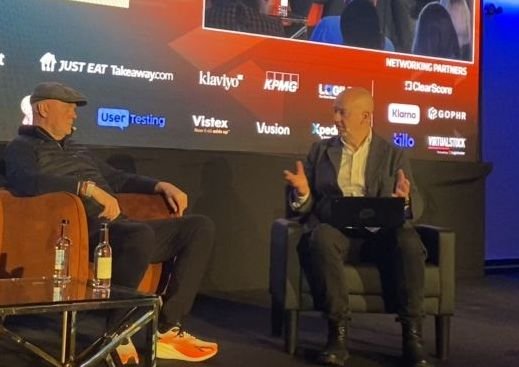
When I listened to Allan Leighton speak about Asda’s direction, one thing was immediately clear: this is not about cosmetic change. It is about rebuilding belief — inside the business and on the shop floor.
Asda has faced a challenging period. Market share pressure, operational strain, and fierce competition from discounters and premium operators alike have forced the supermarket to re-evaluate its position. But Leighton’s tone was not defensive. It was decisive.
A Return to Retail Fundamentals
Leighton framed Asda’s turnaround around what he described as a renewed focus on customers and colleagues. In a market obsessed with price wars, he emphasised something more strategic: value beyond price.
Asda, he argued, must rediscover its “unmatchable mix” — a blend of affordability, product range, own-label strength, and in-store experience. Price matters, but price alone does not build loyalty. Trust does. Consistency does. Culture does.
For me, that was the most striking message. Retailers often talk about transformation in technological terms. Leighton spoke about people.
Colleague-First Culture
Central to his strategy is empowering store teams. Reviving open communication channels and encouraging frontline feedback signals that the turnaround is not being dictated solely from head office. It is being shaped by those closest to customers.
This colleague-centricity is more than morale building. In modern retail, execution is everything. Availability, store standards, speed at checkout — these daily disciplines define performance. If colleagues are engaged, performance follows.
Leighton understands that operational excellence is not glamorous, but it is powerful.
Leadership From Within
Another telling moment was his suggestion that Asda’s next chief executive could come from within the organisation. In an era where boards often look externally for dramatic change, this hint speaks volumes.
Promoting internally would send a message of stability and belief in the talent pipeline. It would also reinforce cultural continuity at a time when consistency is vital. Retail turnarounds rarely succeed through constant leadership upheaval; they succeed through clarity and sustained focus.
Competing in a Relentless Market
The UK grocery sector is arguably the most competitive in Europe. Discounters continue to pressure pricing structures, while premium chains differentiate on quality and experience. In this environment, Asda must sharpen its identity.
Leighton’s strategy appears to revolve around reclaiming core DNA: value leadership combined with scale and accessibility. If executed well, this could reposition Asda not as a reactive player, but as a confident competitor with a clear proposition.
The Road Ahead
Turnarounds are never instant. They demand discipline, patience, and consistent delivery quarter after quarter. But what I took from Leighton’s remarks was a sense of realism paired with conviction.
He is not promising miracles. He is promising focus.
Retail is ultimately about trust — customers trusting that shelves will be full, prices fair, and service reliable. Rebuilding that trust takes time, but it starts with leadership clarity.
Asda’s journey under Allan Leighton will be closely watched across the industry. If the strategy of doubling down on people, culture, and differentiated value holds firm, the supermarket may well write one of the more compelling comeback stories in British retail.
And in today’s market, that would be no small achievement.