
Instacart is winding down its Caper smart-cart operation, putting the spotlight back on a question facing supermarket groups investing in new retail technology: can the equipment deliver enough commercial value to justify its cost?
The company expects the process to be completed by the second quarter of 2027. Instacart has estimated charges of $55 million to $80 million associated with the move, including employee and contract-related costs.
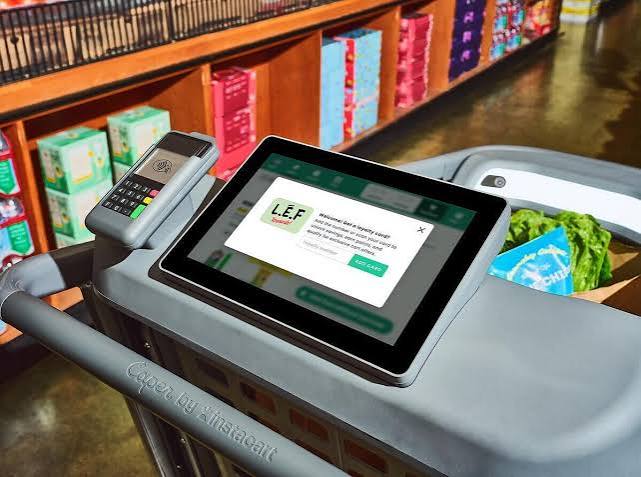
Caper’s smart carts were developed to make the shopping trip more connected. Equipped with screens, cameras and sensors, they were designed to help customers track their purchases, access promotions and complete transactions while shopping.
For retailers, the attraction extended beyond convenience. Smart carts offered the possibility of collecting useful shopping data, promoting products at the point of decision and creating additional advertising opportunities for consumer goods manufacturers.
Yet bringing this technology into everyday supermarket operations involves more than installing a screen on a trolley.
The challenge of scaling retail technology
Supermarket operators must consider equipment costs, maintenance, software integration and the practical demands of running busy stores. A successful pilot does not necessarily guarantee the same results when a technology is introduced across a large estate.
Retailers also need to establish whether smart carts can increase average basket values, improve customer satisfaction or reduce pressure on checkout operations. Without measurable results, the business case becomes harder to defend.
The economics are particularly important for grocery businesses, where margins are tight and investment decisions are scrutinised across multiple departments.
Retail media remains an opportunity
The technology also highlighted the growing interest in in-store retail media. Screens attached to shopping carts can give brands another opportunity to reach customers while they are choosing products.
For supermarkets, however, advertising revenue must be weighed against the cost of deploying and maintaining the equipment. The commercial value will depend on shopper engagement, campaign performance and the retailer’s ability to demonstrate results to advertisers.
Instacart’s decision does not mean smart carts have no future. It does, however, underline the importance of finding a sustainable operating model before committing to a large-scale rollout.
For supermarket technology buyers, the message is clear: innovation must deliver measurable operational or commercial benefits. As retailers assess their next investments in automation, artificial intelligence and digital shopping tools, the ability to demonstrate a return will remain central to purchasing decisions.
ISN analysis: The next phase of supermarket technology will be judged less by what a device can do and more by what it can deliver for the retailer’s bottom line.
