

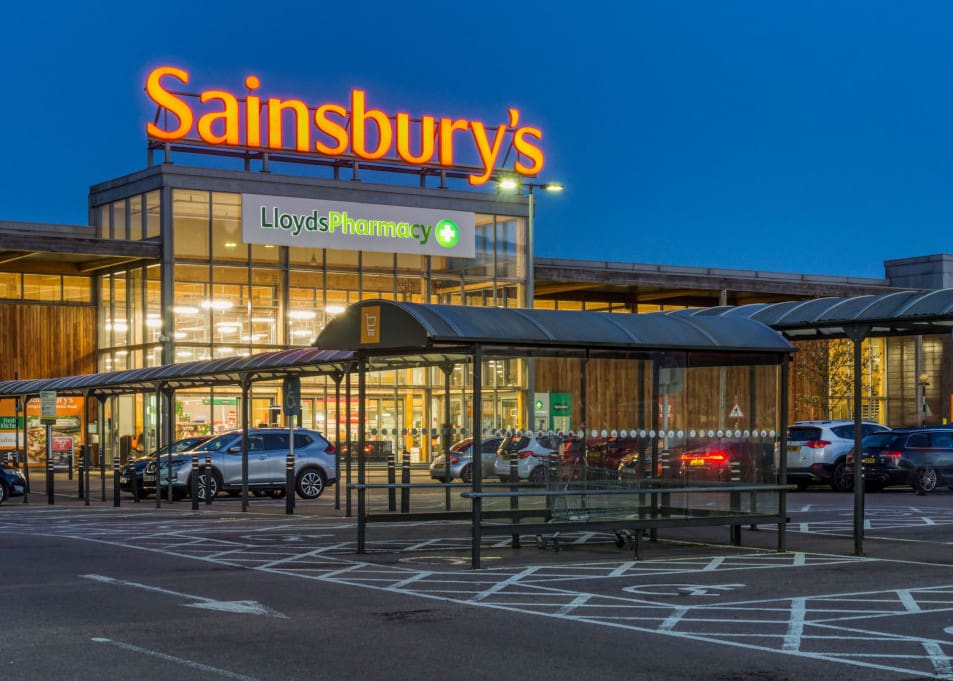
Sainsbury’s enters 2026 in a period of internal restructuring and strategic recalibration. As Britain’s second-largest supermarket group, it faces mounting pressure from discount competitors, rising operating costs and shifting consumer behaviour. The company’s recent organisational changes signal a renewed focus on efficiency and clarity.
Organisational Restructuring
Sainsbury’s has undertaken significant restructuring within its head office operations, particularly in technology and data functions. The changes aim to streamline reporting processes and sharpen accountability between its supermarket operations and its Argos business.
The decision reflects a desire to simplify internal structures and eliminate duplication. In a competitive retail landscape, clarity of focus can be as important as scale.
The Argos Question
Argos, acquired in 2016, was intended to diversify Sainsbury’s revenue streams and strengthen its non-food presence. While integration has delivered some logistical synergies, Argos has struggled to achieve sustained growth in recent years.
The performance of Argos continues to prompt questions about its long-term strategic role. Whether Sainsbury’s ultimately retains, restructures or divests the business remains a subject of industry speculation. What is clear is that management is determined to ensure each division delivers measurable value.
Technology and Automation Investment
Although restructuring has led to job reductions, Sainsbury’s continues investing heavily in technology. Automation within warehouses, AI-driven forecasting and improvements in supply chain efficiency are central to its cost-control strategy.
With wage pressures rising and margins tight, productivity gains through automation are essential. Digital investment also enhances customer experience by improving product availability and delivery reliability.
Inflation, Pricing and Competition
Food inflation has moderated compared with peak levels, but competition remains intense. Discount retailers maintain strong momentum, forcing traditional supermarkets to remain disciplined on pricing.
Sainsbury’s strategy centres on offering value while maintaining quality and brand differentiation. Its private-label ranges and loyalty programmes play a critical role in balancing affordability with premium positioning.
Store Strategy and Convenience Growth
Like its competitors, Sainsbury’s recognises the importance of convenience formats. Smaller Local stores are increasingly significant in driving frequency and brand visibility in urban areas.
The company must ensure its large supermarket estate remains relevant while adapting to more flexible shopping patterns. This requires continuous innovation in store layout, product mix and omnichannel integration.
Labour and Cost Management
Rising labour costs remain a structural challenge. Supermarkets must balance competitive pay with cost discipline. Investment in employee training and morale is vital, as customer experience often depends on frontline staff engagement.
Operational efficiency initiatives aim to offset these pressures without undermining service quality.
Outlook
Sainsbury’s faces a pivotal period. Its success will depend on disciplined execution, technological integration and clear strategic priorities. Simplification and focus appear to be the guiding themes for 2026.
If the retailer can combine operational efficiency with customer-centric innovation, it will remain a formidable force in UK grocery. The challenge lies in delivering transformation without diluting brand strength or customer loyalty.