

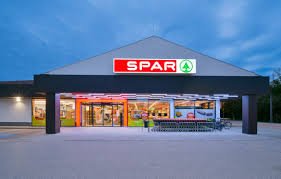
The continued expansion of SPAR International across Europe is far from incidental; it is the result of a carefully engineered retail model that blends global scale with local adaptability. As the group strengthens its footprint with new store openings—including the recent launch of a EUROSPAR supermarket in Finland—it is becoming increasingly clear that SPAR’s long-term strategy is not merely about growth in numbers, but about relevance in diverse and evolving markets.
In an era where supermarket competition is intensifying across Europe, the ability to tailor retail formats to specific regional needs has become a decisive advantage. SPAR’s multi-format strategy—ranging from compact convenience outlets to large-scale hypermarket-style EUROSPAR stores—positions the company uniquely within the grocery landscape. This flexibility allows the brand to penetrate both densely populated urban centres and sparsely populated rural areas with equal effectiveness.
The Finnish EUROSPAR opening is particularly significant. Finland represents a mature retail market characterised by high consumer expectations, strong domestic competitors, and a growing emphasis on sustainability and local sourcing. By entering or expanding within such a market, SPAR is not only increasing its physical presence but also demonstrating its ability to compete at the highest level of European grocery retail.
Unlike many multinational supermarket chains that rely on standardisation, SPAR operates through a decentralised model. Local partners play a central role in store operations, product selection, and customer engagement. This structure enables SPAR to respond rapidly to local consumer preferences, an increasingly critical factor in a market shaped by cultural diversity and shifting consumption patterns.
Local sourcing remains one of SPAR’s strongest differentiators. Across Europe, consumers are showing a clear preference for regional products, driven by both quality perceptions and environmental considerations. SPAR’s model, which prioritises partnerships with local producers, aligns closely with these expectations. In Finland, for example, the integration of domestic suppliers into the EUROSPAR offering reinforces trust and strengthens the brand’s local identity.
At the same time, SPAR benefits from its global scale. With more than 13,800 stores operating across over 40 countries, the group has access to extensive supply chain networks, purchasing power, and operational expertise. This dual advantage—local responsiveness combined with global strength—enables SPAR to compete effectively against both international giants and domestic retailers.
The broader European supermarket sector is currently undergoing significant transformation. Inflationary pressures, evolving consumer habits, and the rise of discount retailers such as Aldi and Lidl are reshaping competitive dynamics. In this context, SPAR’s positioning is particularly interesting. It does not compete solely on price, nor does it position itself exclusively as a premium retailer. Instead, it occupies a middle ground that emphasises value, quality, and convenience.
This balanced positioning may prove to be a critical advantage. As consumers become more selective in their spending, they are increasingly seeking retailers that offer both affordability and quality. SPAR’s ability to deliver on both fronts—through efficient operations and strong supplier relationships—places it in a favourable position.
Another key element of SPAR’s expansion strategy is its focus on convenience. The growth of smaller store formats reflects changing lifestyles, particularly in urban areas where time-constrained consumers prioritise speed and accessibility. Convenience stores, once seen as supplementary to larger supermarkets, are now central to many retailers’ strategies. SPAR’s long-standing expertise in this segment gives it a competitive edge.
In rural areas, however, the strategy differs. Larger formats such as EUROSPAR serve as comprehensive shopping destinations, offering a wide assortment of products, including fresh food, ready meals, and non-food items. This adaptability ensures that SPAR remains relevant across a wide spectrum of consumer needs.
Technology is also playing an increasingly important role in SPAR’s operations. While the company may not be as aggressively digital as some of its competitors, it is steadily integrating technology to enhance efficiency and customer experience. From inventory management systems to digital promotions, these innovations are helping SPAR maintain competitiveness in a rapidly evolving market.
Sustainability is another area where SPAR is making notable progress. European consumers are becoming more environmentally conscious, and retailers are under pressure to reduce their carbon footprint. SPAR’s emphasis on local sourcing, combined with initiatives to reduce packaging and improve energy efficiency, aligns with these expectations. However, the challenge lies in scaling these initiatives across a vast and decentralised network.
The expansion in Finland can also be viewed within a broader geopolitical and economic context. Northern European markets are often seen as stable but demanding, requiring high standards of service, transparency, and product quality. Successfully operating in such markets enhances SPAR’s credibility and strengthens its brand across the continent.
Looking ahead, SPAR’s growth trajectory appears set to continue. The company’s ability to combine flexibility with consistency will be crucial as it navigates an increasingly complex retail environment. While competition from discount chains and e-commerce platforms will intensify, SPAR’s hybrid model provides a level of resilience that many competitors lack.
However, challenges remain. Maintaining consistency across a decentralised network is not without difficulty. Ensuring that all stores meet the same standards of quality and service requires strong governance and effective communication. Additionally, as consumer expectations continue to evolve, SPAR will need to invest further in digital capabilities and customer engagement.
Despite these challenges, the outlook remains positive. The recent European store openings, including the EUROSPAR in Finland, are clear indicators of a retailer that is not only expanding but evolving. SPAR is demonstrating that growth in the modern supermarket sector is not simply about scale—it is about relevance, adaptability, and the ability to connect with consumers on a local level.
In a market increasingly dominated by price wars and technological disruption, SPAR’s approach offers a compelling alternative. By focusing on community, quality, and flexibility, the retailer is carving out a distinct position within the European grocery landscape.
The question now is not whether SPAR can continue to expand, but how far its model can be scaled while preserving the local authenticity that defines its success. If the Finnish expansion is any indication, the answer may well be that SPAR’s greatest strength lies in its ability to remain both global and local at the same time—a balance that few retailers have managed to achieve.