

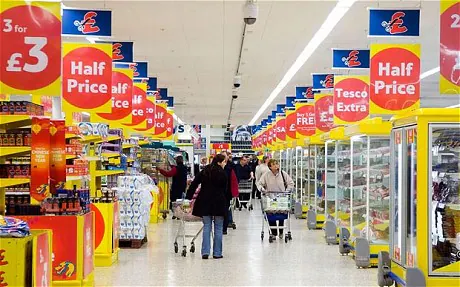
In 2026, Tesco stands at a decisive moment in its evolution. As the United Kingdom’s largest grocery retailer, it is balancing expansion, digital transformation and changing consumer expectations. Once defined primarily by its large hypermarkets and weekly family shops, Tesco is now equally shaped by convenience retailing, online marketplace growth and sustainability commitments.
Convenience Expansion and Local Strategy
Tesco’s rapid expansion of its Express convenience format is one of its most significant current developments. The retailer is increasing its presence in urban centres and densely populated residential areas, responding to a clear shift in consumer behaviour. Shoppers are increasingly opting for smaller, more frequent visits rather than large weekly shops.
Convenience retailing has become a battleground in the UK grocery market. By expanding its Express network, Tesco is positioning itself closer to customers’ daily routines. These stores are designed for speed and accessibility, offering essential groceries, ready meals and food-to-go options.
The acquisition of former Amazon Fresh locations demonstrates Tesco’s strategic awareness. Rather than allowing new entrants to establish a foothold in the convenience segment, Tesco has reinforced its physical presence and reduced competitive pressure in key locations.
Marketplace Growth and Digital Transformation
Tesco’s online marketplace has grown significantly, broadening its offering beyond traditional grocery categories. By allowing third-party sellers to list products on its platform, Tesco is expanding consumer choice without carrying the inventory risk of stocking every product itself.
This marketplace model strengthens Tesco’s digital ecosystem. Customers can now purchase non-food items alongside groceries, reinforcing Tesco’s ambition to remain a one-stop destination. The strategy also supports valuable data collection, enabling improved forecasting, personalisation and targeted promotions.
Digital transformation remains central to Tesco’s long-term competitiveness. Investment in technology, fulfilment systems and customer analytics allows the retailer to optimise stock management and enhance convenience across both delivery and click-and-collect services.
Local Sourcing and Community Engagement
Tesco has continued strengthening partnerships with domestic suppliers, particularly in Ireland and across the UK regions. Supporting local producers aligns with growing consumer demand for transparency, sustainability and shorter supply chains.
Local sourcing also provides differentiation in a competitive environment where price alone is no longer the only deciding factor. Customers increasingly seek authenticity, provenance and environmental responsibility alongside value.
Sustainability and Supply Chain Innovation
Environmental sustainability is firmly embedded in Tesco’s strategy. Trials involving electric heavy goods vehicles are part of a broader push to decarbonise logistics. Grocery retail relies heavily on transport, particularly for chilled and frozen goods, making this a challenging but critical area for emissions reduction.
Beyond transport, Tesco continues to work with farming groups and suppliers to improve animal welfare standards and environmental practices. Strengthening supply chain resilience is essential in a world shaped by geopolitical uncertainty, climate change and commodity volatility.
Competitive Pressures and Market Realities
Despite its scale and leadership, Tesco operates in a fiercely competitive market. Discount chains continue to expand aggressively, placing pressure on pricing and margins. At the same time, consumers remain highly price sensitive after years of inflationary strain.
Balancing affordability with quality is a constant challenge. Tesco must protect margins while retaining its value credentials, particularly as economic conditions stabilise and promotional activity intensifies across the sector.
Outlook
Tesco’s current trajectory blends physical expansion, digital integration and sustainability leadership. The combination of convenience growth, marketplace development and supply chain innovation positions the company to defend its market leadership while adapting to evolving consumer habits.
The coming years will test Tesco’s ability to maintain agility while leveraging its scale. Yet its multi-channel strategy suggests a retailer determined not merely to defend its position, but to shape the future of British grocery retail.