
Why Would Hackers Target Supermarket Fridges? The Hidden Technology Behind the Fresh Food Aisle
The cyberattack on French supermarkets has exposed a little-known side of modern grocery retail. Refrigeration equipment is no longer simply a collection of motors, pipes and cooling cabinets. Connected systems can be monitored and adjusted remotely, creating efficiencies for retailers but also new risks when security fails.
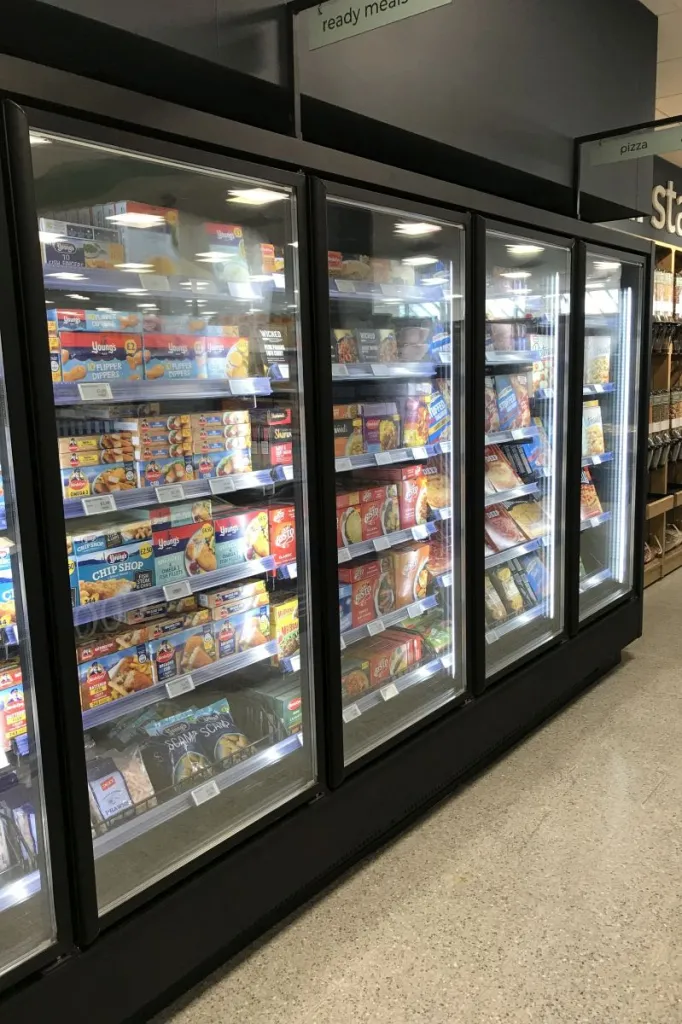
Walk into a supermarket and the refrigerated cabinets are easy to take for granted. Milk, meat, fish, prepared meals and frozen food sit behind glass doors, kept at the right temperature until somebody puts them in a trolley.
Most shoppers would not imagine that these cabinets could become the target of a cyberattack. Yet the incident affecting French supermarket chains in October has demonstrated how a problem that begins in a computer system can end with food being thrown away.
The attackers interfered with refrigeration systems at supermarkets across France, causing temperatures to rise, food losses and, in some cases, fires. The incident affected several major retail groups, with investigations launched to establish how the systems were compromised and who was responsible.
For the shopper, the result is simple to understand: food that should remain cold becomes unsafe to sell. For the supermarket, the consequences reach much further.
The supermarket fridge is no longer just a fridge
Modern supermarket refrigeration is often connected to electronic controllers and monitoring software. These systems help technical teams oversee equipment across one store or an entire retail estate.
A central monitoring platform can show whether temperatures are rising, whether a compressor is operating correctly or whether a fault requires immediate attention. Depending on the installation and permissions, authorised technicians can also make certain adjustments remotely.
This technology has clear commercial advantages. A retailer with hundreds of stores cannot rely solely on an employee noticing that a cabinet is becoming too warm. Automated monitoring can raise an alarm, help technicians identify the problem and reduce the time needed to respond.
Danfoss, a supplier of refrigeration management systems, describes how connected monitoring can support round-the-clock alarm management, energy efficiency and the prevention of food losses.
But the same connectivity creates another consideration. If an unauthorised person gains access to a vulnerable control system, technology designed to protect the cold chain can potentially be used to disrupt it.
Why would somebody want to attack refrigeration?
The motive behind the French incident has not been established publicly. It would therefore be premature to claim that the attackers were seeking money, acting for political reasons or deliberately targeting the food supply.
There are, however, several reasons why refrigeration systems could be attractive targets in a wider cyberattack.
First, disruption can be expensive. A supermarket may have to discard stock, inspect equipment, call emergency technicians and interrupt normal trading. A problem affecting several stores at once can create substantial costs.
Second, an attack on refrigeration can have an immediate physical effect. Unlike the theft of customer information, manipulating a control system can affect equipment and products in the real world.
Third, connected equipment may be overlooked when companies concentrate their cybersecurity spending on payment systems, customer databases and corporate networks. Operational technology, which controls physical equipment, needs protection too.
Researchers at cybersecurity firm Claroty identified vulnerabilities in Danfoss AK-SM 800A refrigeration controllers in research published in August 2026. The findings included weaknesses in the systems’ web management interface. Danfoss subsequently addressed the reported vulnerabilities through a firmware update.
The existence of previously identified vulnerabilities does not, by itself, establish precisely how the French attack was carried out. Investigators must determine which weaknesses were exploited and whether the affected systems had been updated.
What does this mean for the shopper?
Customers are unlikely to see the computer systems behind the refrigerated aisle, but they depend on them every time they buy chilled or frozen food.
If a cabinet fails, staff must assess the situation and follow food-safety procedures. Products exposed to unsuitable temperatures may have to be removed, even if their packaging looks normal. A supermarket cannot simply assume that food is safe because the disruption was brief or the products still feel cold.
The immediate consequence can be an empty cabinet or an unavailable product. The wider consequences include food waste, replacement costs and disruption to store operations.
This is also why the incident should not be confused with a conventional website outage. A website can go offline while the food in a store remains properly chilled. A compromised refrigeration control system can affect the physical conditions in which perishable food is held.
A new responsibility for supermarket management
ISN analysis: The incident highlights a gap in how the public often understands supermarket technology. Retailers have invested in automation and remote monitoring because they improve efficiency, reduce maintenance costs and help protect products. But those benefits depend on the systems being properly secured and maintained.
Responsibility cannot sit with the IT department alone. Refrigeration contractors, equipment manufacturers, store operations teams and cybersecurity specialists all have a role to play.
Retailers need to know which refrigeration systems are connected, which devices are still supported, whether security updates have been installed and who is authorised to access the controls. Remote access should be restricted to approved users and protected by appropriate security measures. Where possible, operational equipment should be separated from less trusted networks, with clear procedures for responding when monitoring or control systems behave unexpectedly.
Supermarkets also need contingency plans that cover the physical consequences of a cyber incident: who checks product temperatures, who decides whether stock must be discarded, how faults are reported and how stores continue operating safely.
The aim is not to disconnect every refrigeration system from the internet. Connectivity can provide genuine benefits. The challenge is to ensure that remote monitoring does not become an open door to disruption.
The cold chain becomes a boardroom issue
Supermarket refrigeration has traditionally been discussed in terms of energy consumption, maintenance, refrigerants and food preservation. The French incident adds cybersecurity to that list.
For grocery retailers, the lesson is straightforward. The systems protecting fresh food are now part of the technology infrastructure of the business. Their failure can affect stock, sales, food safety and customer confidence at the same time.
Shoppers may never know which controller is monitoring the milk cabinet or how a technician receives a temperature alarm. They simply expect the food they buy to have been stored safely.
That expectation makes refrigeration security more than a technical matter. It is part of the supermarket’s responsibility to protect the products on its shelves and maintain the reliability of the food supply.