


By ISN Magazine
One of the most significant chapters in British retail is drawing to a close. Sainsbury’s has agreed to sell Argos and Habitat, bringing an end to a strategy that once promised to reshape the UK supermarket industry by combining food retailing with general merchandise.
The move signals a clear change in direction for Britain’s second-largest supermarket group. Rather than competing across multiple retail categories, Sainsbury’s is returning its full attention to its core grocery business at a time when competition has never been more intense.
When Sainsbury’s acquired Argos in 2016, the deal was regarded as one of the boldest retail acquisitions in the UK. The vision was ambitious. Customers would be able to buy groceries, electronics, toys, furniture and household products through one retailer while using supermarkets as convenient collection points for Argos purchases.
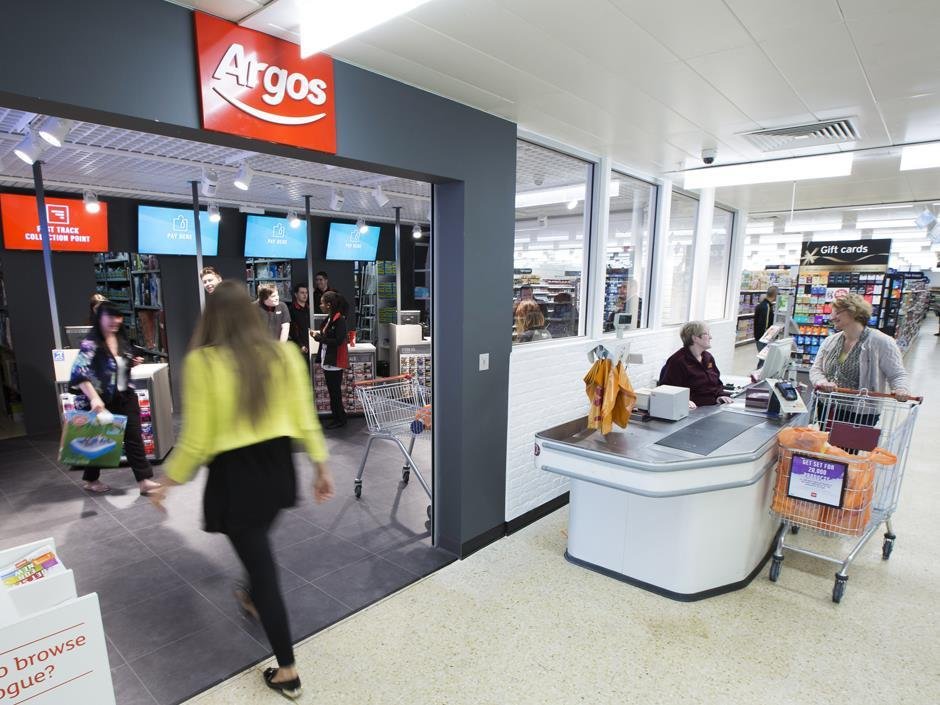
For several years the strategy appeared to offer genuine advantages. Hundreds of Argos outlets were relocated into Sainsbury’s supermarkets, reducing operating costs while increasing customer footfall. During the pandemic, click-and-collect services became an essential part of retail, further strengthening the value of the integration.
However, retail has changed dramatically over the past decade.
Consumers are increasingly shopping online through specialist platforms, while supermarkets are investing heavily in price competitiveness, loyalty programmes, automation and artificial intelligence. Food retail has become a business where operational efficiency often determines success more than diversification.
Against this backdrop, Sainsbury’s management believes concentrating resources on supermarkets offers greater long-term value than maintaining a large general merchandise operation.
The decision also reflects the growing pressure from discount retailers Aldi and Lidl, which continue to attract shoppers through aggressive pricing and expanding store networks. At the same time Tesco has strengthened its market leadership, leaving rivals searching for every possible efficiency.
Industry analysts believe the disposal of Argos will allow Sainsbury’s to simplify its business, reduce complexity and invest more heavily in improving stores, technology, supply chains and customer experience.
The announcement has generated considerable discussion throughout the retail industry because it effectively ends one of Britain’s most closely watched retail experiments.
Many observers now question whether combining supermarkets with non-food retail was ever sustainable in an era dominated by specialist e-commerce giants.
Despite the sale, Argos remains one of Britain’s best-known retail brands and continues to enjoy strong customer recognition. Under new ownership, the business is expected to continue serving millions of UK consumers while pursuing its own independent strategy.
For Sainsbury’s, however, the message is unmistakable.
Food retail is once again the company’s primary focus.
As supermarkets face rising operating costs, tighter consumer budgets and increasing investment in digital technology, management believes concentrating entirely on grocery retailing offers the clearest path to future growth.
The decision could also influence other major retailers across Europe that continue to evaluate whether diversification remains the right strategy in an increasingly competitive marketplace.
For the supermarket sector, Sainsbury’s latest move is more than a corporate transaction—it represents another sign that today’s retail winners will be those that execute brilliantly in their core business rather than trying to be everything to everyone.