
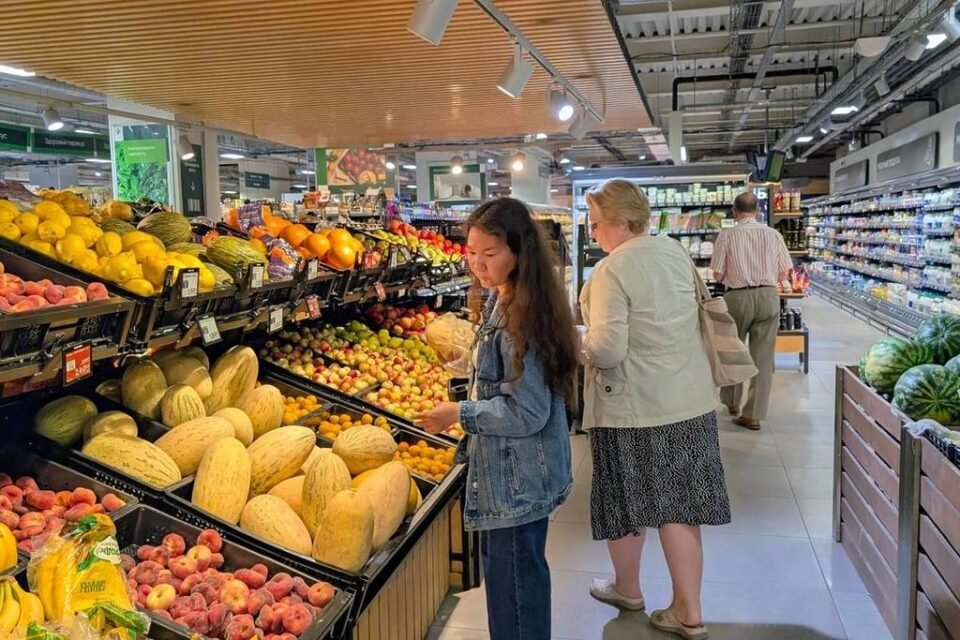
Fresh fruit and vegetable sales across Europe have continued to grow strongly in 2026, driven by changing diets, higher awareness of health benefits, and supermarket strategies focused on fresh produce. Recent retail data and industry estimates show that fresh produce volumes have increased by around 5% to 7% year-on-year in several key European markets, marking one of the strongest periods of growth for the category since before the pandemic.
In the United Kingdom, one of Europe’s most closely watched grocery markets, fresh fruit sales rose by approximately 6% in early 2026, according to retail tracking data, with supermarkets reporting particularly strong demand for high-fibre and “healthy snack” alternatives such as apples, berries, and citrus fruits. Vegetables also recorded steady growth, supported by rising demand for meal-prep ingredients and plant-based diets.
The surge is not limited to the UK. Across Western Europe, including France, Germany, Spain, and Italy, retailers have reported sustained increases in fresh produce consumption. In Spain, for example, industry sources indicate that fruit consumption has grown by around 4% year-on-year, supported by strong domestic production and export demand. Germany has seen similar trends, with vegetable sales rising by roughly 5%, particularly in organic and locally sourced categories.
One of the strongest growth segments has been berries, especially strawberries, which have seen record demand in several countries. In the UK alone, strawberry sales jumped by more than 20% during peak seasonal weeks in 2026, driven by favourable weather conditions and increased consumer preference for fresh, low-sugar snacks.
Industry analysts say the increase reflects a combination of structural and short-term factors. Inflation has encouraged consumers to cook more at home, increasing demand for raw ingredients rather than processed foods. At the same time, long-term dietary shifts toward healthier eating have accelerated post-pandemic, with fruit and vegetables benefiting more than most food categories.
Organic produce is also contributing to growth. Across Europe, organic fruit and vegetable sales are estimated to have risen by around 8% annually, outpacing conventional produce in several markets. Although more expensive, organic options continue to attract middle-income households, particularly younger consumers concerned about sustainability and food quality.
Retailers such as Tesco, Carrefour, Lidl, and Mercadona are responding by expanding fresh produce ranges, improving sourcing transparency, and investing in local supply chains. Many supermarkets are also increasing promotional activity on fresh items, using price discounts and loyalty programs to drive volume.
Despite economic pressure on households, analysts suggest that fresh fruit and vegetables remain “recession-resilient,” as consumers prioritise them even when cutting back on other grocery categories. This resilience has made produce one of the most stable growth areas in European food retail.
As 2026 progresses, the outlook for fruit and vegetable sales remains positive, with expectations of continued moderate growth supported by health trends, seasonal demand, and supermarket competition focused increasingly on freshness and quality.