
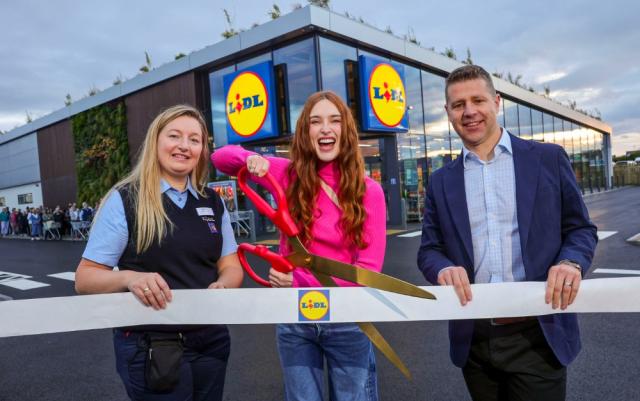
Lidl is continuing to strengthen its position in the international grocery market by investing in modern stores, expanding fresh food departments and improving operational efficiency across its retail network. The discount supermarket remains focused on attracting a wider customer base while maintaining the low-price model that has driven its growth for more than four decades.
The retailer has continued opening new stores while refurbishing older locations to create brighter shopping environments and improve the overall customer experience. Larger fruit and vegetable sections, expanded bakery departments and redesigned layouts are becoming standard features as Lidl competes more directly with traditional supermarket chains.
The company’s strategy reflects changing consumer behaviour. While price remains the main reason many shoppers visit discount retailers, customers are also placing greater importance on product quality, convenience and the overall shopping experience. Lidl has responded by investing in store design, product presentation and a broader selection of fresh food without moving away from its value-focused business model.
Fresh produce remains one of Lidl’s strongest growth areas. The retailer continues working closely with growers to improve product quality and availability while increasing the proportion of locally sourced fruit and vegetables where possible. Shorter supply chains and stronger relationships with producers also help improve freshness while supporting regional agriculture.
Bakery has become another important area of differentiation. Freshly baked bread and pastries prepared throughout the day have become one of Lidl’s strongest customer attractions. The in-store bakery concept encourages more frequent shopping visits while increasing sales across other grocery categories.
Private label products continue to dominate Lidl’s shelves. By selling mainly retailer-owned brands, the company maintains greater control over production standards, pricing and product innovation. Independent quality testing and consumer surveys have consistently shown that many Lidl products perform as well as, or better than, premium national brands, helping change public perception of discount retailing.
Technology is also transforming Lidl’s operations. Investments in automated distribution centres, digital inventory systems and advanced forecasting software are improving stock availability while reducing waste throughout the supply chain. These systems enable stores to react more quickly to changes in customer demand and improve overall operational efficiency.
Environmental sustainability continues to receive increasing attention throughout the business. Lidl is investing in energy-efficient refrigeration, solar power installations, electric vehicle charging facilities and recyclable packaging as part of its broader environmental objectives. The retailer is also working with suppliers to reduce unnecessary plastic packaging while improving responsible sourcing across several product categories.
Competition across the European grocery market remains intense. Lidl continues expanding in countries where it already has a strong presence while exploring opportunities in new regions. At the same time, established supermarket groups are responding by improving their own value ranges and increasing promotional activity to retain customers.
One of Lidl’s biggest strengths remains its ability to keep operating costs under control. A relatively simple store format, efficient logistics and a carefully selected product range allow the company to maintain competitive prices while continuing to invest in growth. This disciplined approach has enabled Lidl to increase market share in several countries despite challenging economic conditions.
Looking ahead, Lidl is expected to continue expanding its international footprint while investing further in digital technology, supply chain improvements and customer experience. The retailer believes that combining competitive pricing with higher-quality fresh food and more modern stores will strengthen its long-term position in an increasingly competitive retail landscape.
As consumer expectations continue to evolve, Lidl’s ability to balance affordability, efficiency and quality is likely to remain one of its greatest competitive advantages. The company’s continued investment demonstrates that discount retailing has moved well beyond simply offering low prices and is now competing across every aspect of the supermarket shopping experience.