


By ISN Magazine
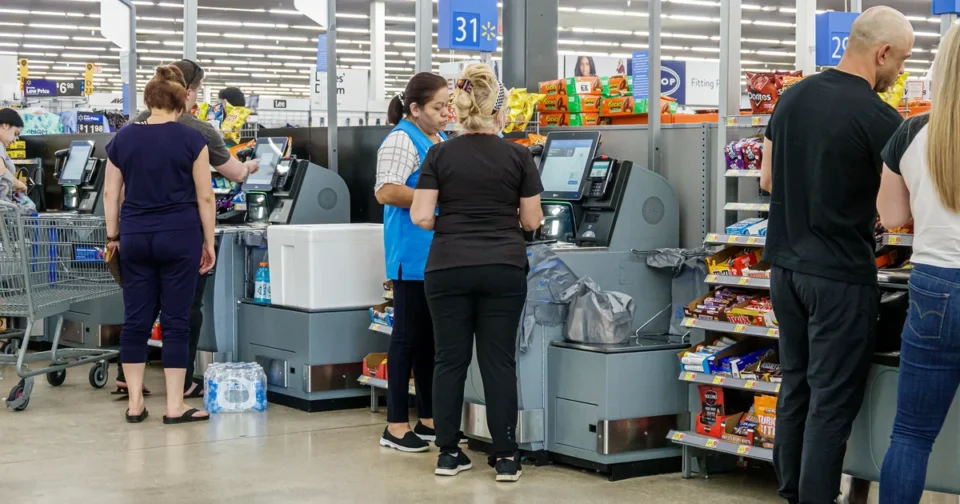
For years, self-checkout represented the future of supermarket retailing. It promised faster transactions, lower operating costs and greater convenience for shoppers. Now, however, Walmart is taking a different approach.
The world’s largest retailer is increasing the number of staffed checkout lanes in selected stores after listening to customer feedback, signalling that the future of grocery retail may not be entirely automated after all.
The move has generated widespread discussion throughout the retail industry because Walmart has been one of the strongest advocates of self-service technology. Its latest decision suggests that while automation remains a critical part of retail innovation, shoppers still value the reassurance and efficiency that comes with human interaction.
Retail has entered a new phase where technology alone is no longer enough to satisfy consumers.
Many customers appreciate the speed of self-checkouts for smaller purchases, but frustration has grown over scanning errors, restricted items requiring staff approval, technical interruptions and the inconvenience of managing larger grocery baskets without assistance.
For family shoppers filling an entire trolley, traditional checkout lanes often remain the preferred option.
Walmart’s revised strategy reflects a growing recognition that convenience is about offering choice rather than replacing people with machines.
Instead of abandoning automation, the retailer is creating a more balanced checkout environment where customers can decide how they want to complete their shopping journey. Self-checkouts will continue to play an important role, but staffed tills are once again becoming a visible part of the store experience.
The decision also comes as retailers worldwide continue investing heavily in artificial intelligence and digital technologies.
From electronic shelf labels and smart shopping carts to computer vision and predictive inventory systems, supermarkets are embracing innovation at an unprecedented pace. Yet one lesson is becoming increasingly clear: successful technology should enhance the customer experience, not complicate it.
Retailers across Europe and North America are paying close attention to Walmart’s latest move.
Many supermarket chains have faced similar challenges, including increased shrinkage, customer complaints and operational issues linked to extensive self-checkout deployment. Several retailers have already begun reviewing the balance between automated and staffed checkout options.
Industry experts believe the future supermarket will not be defined by one checkout format.
Instead, stores will offer a flexible mix of traditional tills, self-service stations, mobile payment solutions and AI-assisted shopping technologies, allowing customers to choose the experience that best suits their needs.
For Walmart, the adjustment is less about reversing technology and more about refining it.
The retailer continues to invest billions in artificial intelligence, supply chain automation and digital commerce, but it is also recognising that exceptional customer service remains a key competitive advantage.
As supermarkets compete for loyalty in an increasingly challenging retail environment, the retailers that succeed will be those that combine innovation with convenience and technology with human service.
Walmart’s latest move sends a powerful message to the global grocery industry.
The supermarket of the future will undoubtedly be smarter, but it will also remain customer-led. In modern retail, the most successful innovations are those that give shoppers more choice—not fewer options.