

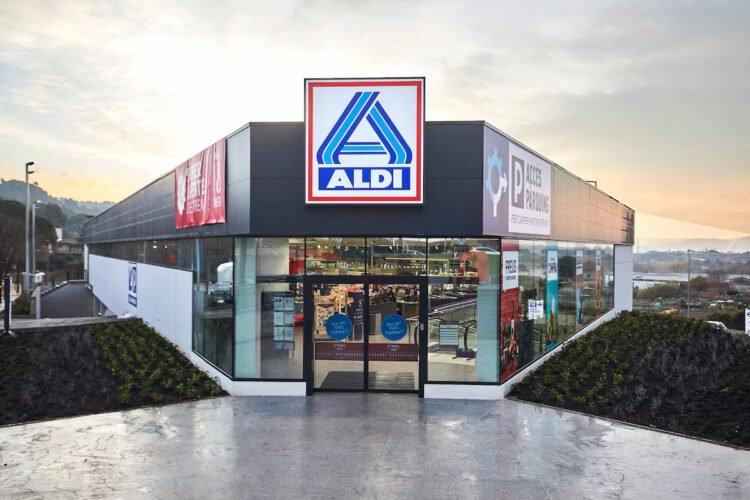
Aldi is no longer an outsider. It is the system shock that permanently altered supermarket economics.
What makes Aldi dangerous to traditional retailers is not just low pricing. It is discipline. A limited range, ruthless efficiency, tight supplier control, and fast decision-making allow Aldi to operate with a cost base others can only envy. Every new store opening is a reminder that simplicity, when executed well, beats complexity.
In the UK, Aldi has moved from being a secondary shop to a primary destination for millions of households. This is a critical shift. Once shoppers trust Aldi for their weekly shop, the emotional connection to legacy supermarkets weakens.
Across Europe, particularly in southern markets, Aldi’s expansion follows the same pattern. Targeted locations, strong private label acceptance, and an increasingly sophisticated offer that no longer feels “discount” in the old sense. Fresh, chilled, and premium seasonal lines have blurred the line between discounter and traditional supermarket.
The long-term impact is profound. Aldi does not need to win every customer. It only needs to take enough volume to force others into permanent defensive pricing. That pressure erodes margins industry-wide.