

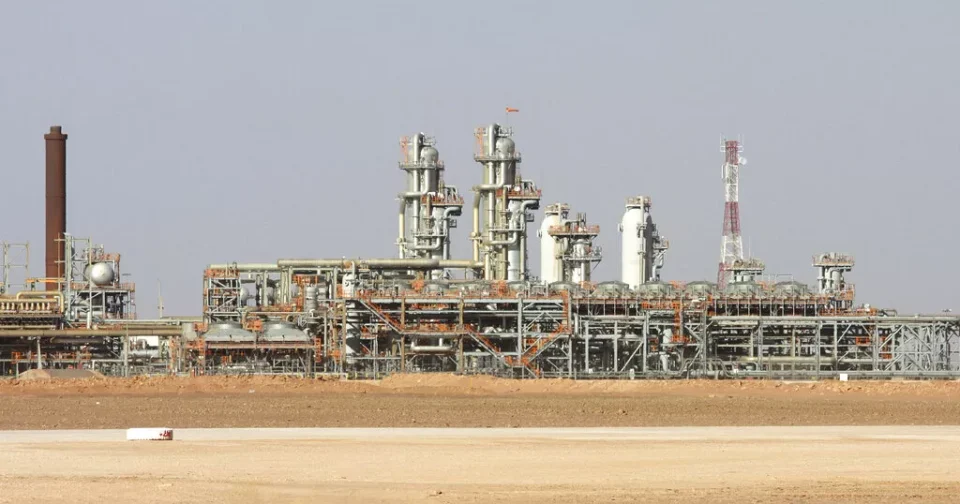
In recent months, Algeria has moved decisively to the centre of global energy geopolitics. A steady flow of high-level visits from presidents, prime ministers, and senior ministers has transformed Algiers into one of the most active diplomatic hubs in the world. The message from international leaders is clear: in an era of uncertainty, reliability matters—and Algeria is increasingly seen as a cornerstone of energy security.
A Reliable Partner in an Uncertain World
As tensions and instability continue to shape Middle East energy dynamics, countries across Europe are reassessing their supply chains. The volatility of global markets, combined with geopolitical risks, has forced governments to think strategically about who they depend on.
Algeria has positioned itself as a dependable alternative. With decades of experience as a major gas exporter, the country has built a reputation for honouring long-term contracts and maintaining steady supply—even during periods of global disruption. This consistency has become one of its greatest assets.
European nations, in particular, are increasingly viewing Algeria not just as a supplier, but as a strategic partner. The proximity of Algeria to Southern Europe, combined with existing pipeline infrastructure, makes it uniquely placed to respond quickly to demand fluctuations.
A Surge in Diplomatic Activity
The recent wave of official visits to Algiers is not coincidental. Heads of state and energy ministers are arriving with a clear objective: secure long-term agreements and deepen cooperation.
Behind closed doors, discussions are no longer limited to volumes and pricing. Instead, they reflect a broader vision—one where energy partnerships are embedded within wider economic collaboration. Algeria is leveraging this moment to reshape the nature of its international relationships.
Beyond Gas: A Strategic Negotiation Approach
Algeria is negotiating firmly—and intelligently. While price remains important, the country is expanding the scope of its discussions. The government is increasingly linking energy deals to investment opportunities in other sectors.
This includes:
- Industrial development
- Renewable energy projects
- Infrastructure and logistics
- Food production and agri-business
By doing so, Algeria is signalling that it is not merely a supplier of raw resources, but a nation open for diversified economic partnerships.
This approach reflects a long-term strategy: using energy as leverage to accelerate domestic development and reduce reliance on hydrocarbons over time.
Energy as a Gateway to Investment
For European and global investors, Algeria is becoming more attractive. The country offers:
- Competitive production costs
- A strategic geographic position
- Strong state backing for major projects
- Increasing openness to foreign partnerships
As energy security becomes a top priority for many governments, investment flows are naturally following diplomatic engagement. Algeria is capitalising on this momentum, positioning itself as both an energy hub and an emerging industrial base.
A New Energy Capital
There was a time when global energy diplomacy revolved around traditional centres. Today, that landscape is evolving. Algiers is rapidly gaining recognition as a key meeting point where critical decisions about supply, pricing, and future cooperation are being shaped.
What makes this shift particularly significant is the context. The global energy map is being redrawn—not only by supply and demand, but by trust. Countries are no longer looking solely at capacity; they are evaluating reliability, political stability, and long-term alignment.
In this environment, Algeria stands out.
Looking Ahead
The coming years will determine whether Algeria can fully consolidate its position. The foundations are already in place: strong reserves, strategic infrastructure, and growing diplomatic influence.
If the country continues to balance firm negotiation with openness to investment, it could redefine its role on the global stage—not just as an energy supplier, but as a central pillar of economic cooperation between Africa and Europe.
One thing is certain: as global leaders rethink their energy strategies, Algeria is no longer on the periphery of discussions. It is at the centre.