

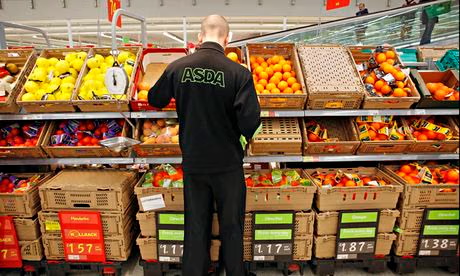
Seasonal trading has long represented both opportunity and risk for supermarkets. For Asda, peak periods such as holidays once meant aggressive buying, followed by heavy markdowns and unavoidable waste. Today, that model is being systematically dismantled and replaced with a more adaptive, decentralised approach that treats surplus as a variable to be managed, not an inevitability.
Asda has restructured its forecasting systems to prioritise live sales signals over historical trends. This shift acknowledges that consumer behaviour has become less predictable, influenced by economic pressure, weather volatility, and social trends. Store managers now play a more active role in inventory decisions, allowing rapid response to local conditions rather than delayed central directives.
The implications go beyond waste reduction. By reducing forced markdowns, Asda protects margins while reinforcing trust with customers who increasingly scrutinise food ethics. The retailer’s operational evolution reflects a wider industry realisation: sustainability, cost control, and customer loyalty are no longer separate strategies but interconnected outcomes of smarter retail execution.