

In a striking example of retail agility meeting agricultural urgency, Bertrand Swiderski, Director of CSR at Carrefour and President of PERIFEM, has issued a direct appeal to customers: help sell 120 tonnes of leeks in just 72 hours.
The initiative follows a sudden overproduction crisis triggered by unusual weather patterns. An exceptionally wet summer, followed by a mild autumn and the absence of early frost, significantly boosted vegetable yields. At the same time, warmer-than-usual temperatures have dampened seasonal demand. Consumers, reluctant to prepare soups and stews in mild conditions, have reduced purchases of winter staples such as leeks.
The result is a classic imbalance — abundant supply, weakened demand and collapsing farm-gate prices.
A Retail Sector Mobilised
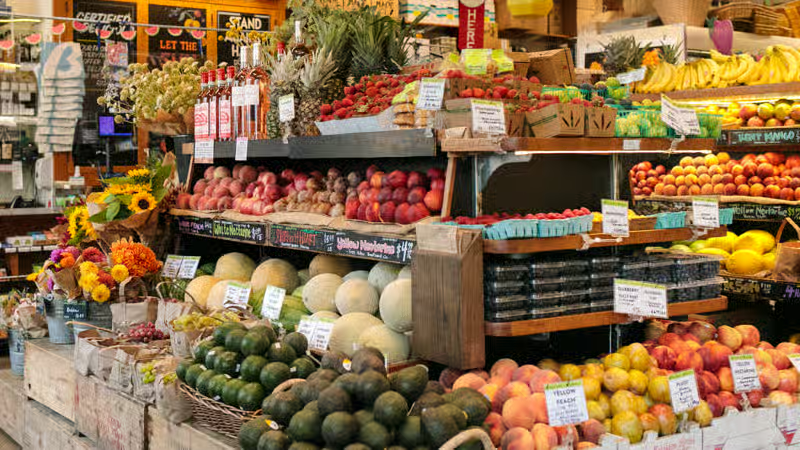
Five major retail chains have activated a coordinated response, transforming store entrances and promotional areas into dedicated leek showcases. For Carrefour alone, the challenge is considerable: a 50% increase in volume, representing 120 tonnes that must move within days to stabilise prices and support producers.
Each hypermarket has received an additional pallet. Store teams are deploying every merchandising tool available — theatrical displays, prominent positioning, attractive pricing and strong in-store communication — to encourage impulse purchases.
The objective is simple: place a leek into customers’ baskets, even if it was not originally on the shopping list.
When CSR Meets Commercial Action
This initiative illustrates how corporate social responsibility can extend beyond policy frameworks and sustainability reports. In this case, it translates into immediate commercial action to protect the agricultural supply chain.
For Carrefour, supporting farmers is not limited to long-term sourcing commitments. It also involves reacting quickly when climate volatility disrupts production cycles. Retailers now find themselves increasingly at the frontline of climate-related market distortions, balancing supply management with shifting consumer habits.
Climate Change and Consumption Patterns
Extreme and unpredictable weather is no longer an abstract future risk; it is reshaping production calendars and consumer behaviour in real time. Warmer autumns may mean fewer traditional winter dishes, forcing retailers and producers alike to rethink forecasting models and promotional calendars.
This is the second time such a coordinated communication campaign has been activated to lift agricultural prices. Its success depends heavily on the engagement of store-level teams, who turn an agricultural alert into a collective commercial effort.
The message to shoppers is both pragmatic and symbolic: buying leeks this weekend is more than a culinary choice — it is a gesture of solidarity with farmers navigating climate uncertainty.
And in the evolving landscape of modern retail, this is where the true craft of commerce reveals itself.