

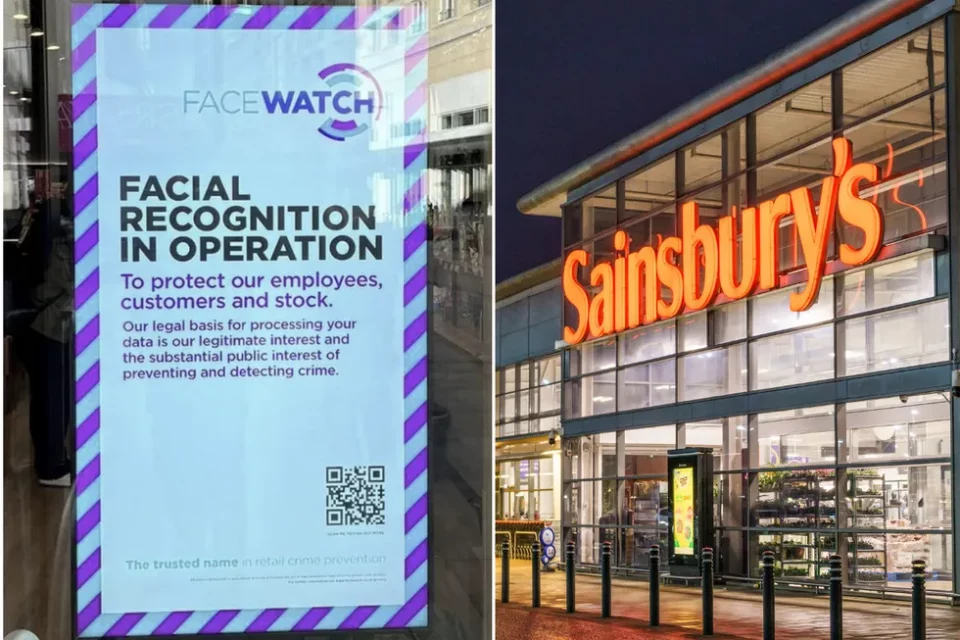
Sainsbury’s faces one of the most complex positioning challenges in the UK grocery sector.
Historically associated with quality and trust, Sainsbury’s has struggled to define its role in a market increasingly polarised between low-cost discounters and premium specialists. This ambiguity has become more pronounced in the current economic climate.
Consumers under pressure are making clearer choices. They are either seeking the lowest possible prices or selectively spending on premium products. The middle ground — where Sainsbury’s operates — is becoming increasingly difficult to sustain.
The retailer has attempted to respond through a combination of price matching, promotional activity, and investment in own-label ranges. While these initiatives have provided some support, they have not fully resolved the underlying issue of identity.
Operationally, Sainsbury’s remains a strong organisation. Its supply chain, store network, and brand equity are significant assets. However, these strengths must be aligned with a clear strategic direction.
Another factor influencing performance is competition. Tesco continues to dominate the mainstream segment, while Aldi and Lidl are capturing value-driven consumers. At the same time, Marks & Spencer is strengthening its position in premium food.
This leaves Sainsbury’s under pressure from multiple directions.
The retailer must make a decisive choice. It can either reinforce its premium credentials, accepting a smaller but more defined customer base, or compete more aggressively on price, which would require significant operational adjustments.
Remaining in its current position carries risk. In a market defined by clarity, ambiguity can lead to gradual erosion of market share.
Sainsbury’s future will depend on its willingness to make difficult decisions. The strength of its brand provides a foundation, but without a clear direction, that foundation may not be enough.