

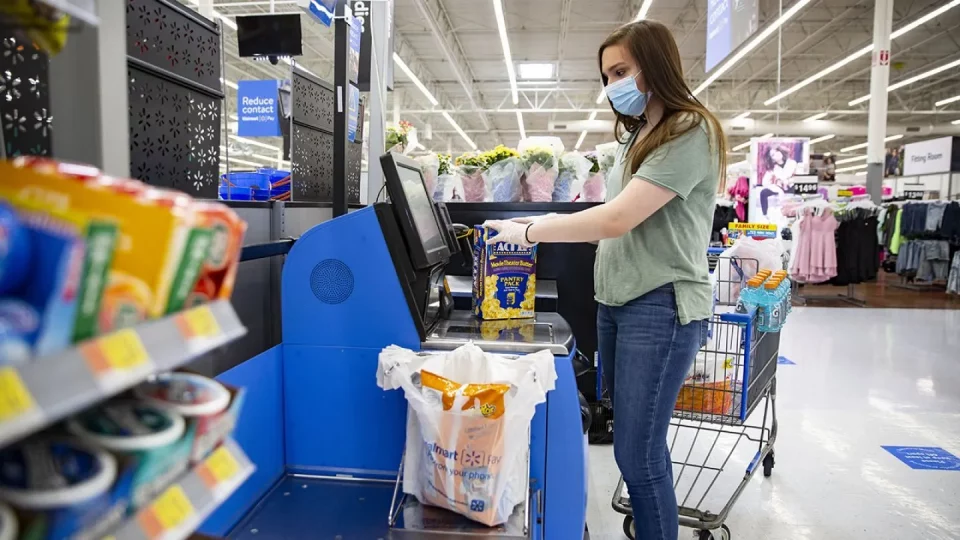
Across global grocery retail, the landscape is shifting faster than ever. Powerhouses that once dominated through sheer scale are now fighting on multiple fronts — from digital transformation and speed of delivery to price wars and sustainability metrics. Here’s your full, up‑to‑the‑moment picture based on the most discussed and impactful supermarket news circulating among industry professionals today.
Walmart Strengthens Its Grip While Shifting Strategy
In the U.S., Walmart remains the undisputed grocery leader, commanding a larger slice of grocery spending than traditional supermarkets combined, including Kroger and Albertsons. Data shows Walmart controls more than a third of the e‑grocery market, demonstrating its unmatched strength in blending retail with digital convenience — a key advantage over legacy supermarket chains.
Despite this dominance, Walmart is refining its strategy: it plans fewer than 15 new Supercenters next year, focusing instead on store remodels and enhanced e‑commerce integration. This reflects a shift from pure footprint growth to investment in innovation and customer experience.
Walmart’s private‑label strategies — such as its highly visible Great Value brand — further cement its value proposition, helping attract price‑sensitive consumers without sacrificing quality perception.
Kroger Encounters Headwinds After Blocked Megamerger
Kroger’s decade‑defining plan to merge with Albertsons — a deal valued at $24.6 billion that would have reshaped U.S. grocery retail — was halted by regulatory rulings in late 2024. A federal judge agreed with the Federal Trade Commission (FTC) that the merger could harm competition and raise prices, forcing both companies to abandon the deal.
In the wake of this setback, Kroger has announced plans to close roughly 60 underperforming stores over the next 18 months, a strategic retrenchment aimed at streamlining operations and refocusing resources on market‑winning formats. However, it is also opening new outlets — about 30 in 2025 — to capture growth where performance is strongest.
Meanwhile, Kroger continues to explore innovations such as online expansion via an Ocado robotic fulfilment centre in the Northeast, signaling how technology and automation remain cornerstones of its future strategy.
Albertsons Doubles Down on Digital & Delivery Services
Post‑merger, Albertsons has pivoted aggressively to digital transformation and convenience services to compete more directly with Walmart and Amazon.
Chief among these initiatives is the expansion of its flash delivery service, now available to roughly 95 % of U.S. households with 30‑minute delivery windows and tiered pricing through its FreshPass subscription model — a direct challenge to Walmart+ and other rapid fulfilment offerings.
AI tools such as Albertsons Ask AI are being rolled out enterprise‑wide, helping customers plan meals and discover products while boosting basket sizes. The company sees technology not just as a cost‑saver but as a driver of customer engagement.
Costco Continues Growing — Club Model Shows Strength
Costco’s warehouse club format continues to resonate with value‑oriented shoppers who want bulk purchases and curated offerings. Its grocery market share has steadily climbed over recent years, making it one of the fastest‑growing major grocery players outside traditional supermarkets.
The club model, combined with a loyal membership base and relatively insulated pricing pressures, gives Costco an edge in both physical retail and consumer perception during inflationary periods.
European Discounters and Traditional Supermarkets: Competition Tightens
On the other side of the Atlantic, Tesco and Lidl are pulling ahead in the UK market, with both chains increasing market share while online grocer Ocado hits record growth rates. Tesco’s share rose noticeably alongside Lidl’s double‑digit gain, outpacing competitors like Asda and demonstrating how diverse retail models can thrive simultaneously.
Discount grocers Aldi and Lidl continue to press traditional chains by offering low prices and streamlined assortment, a trend echoed by Which? consumer price comparisons where Lidl recently edged out Aldi as the UK’s cheapest supermarket basket.
Across the continent, data shows Mercadona, Lidl, and Aldi collectively approaching nearly 40 % of Spanish grocery market share, highlighting a broader shift toward short‑assortment formats that prioritise competitive pricing and high‑frequency purchases.
Ahold Delhaize’s Quiet but Strategic Moves
The Dutch‑Belgian retail giant Ahold Delhaize continues executing a measured expansion and optimisation strategy across the U.S. through banners like Stop & Shop, Food Lion, and Giant, with investments in supply chain, digital couponing, and same‑day delivery enhancements.
These operational shifts reflect a focus on steady growth and customer experience refinement, even as the company contends with broader market challenges tied to inflation and competitive pressure from ultra‑discount formats.
Sainsbury’s and Broader UK Competition
Sainsbury’s remains a major UK player, balancing price competitiveness with strong loyalty programs, although it trails discounters on raw price points. Market share gains among Sainsbury’s and other traditional supermarkets often correlate with promotional activity and seasonal demand spikes, especially during key periods like the Christmas quarter.
The Bigger Picture: Market Share and Consumer Choice
Data from grocery trend reports make one thing clear: while traditional supermarkets like Kroger and Sainsbury’s maintain sizeable footprints, value and convenience models are rapidly gaining ground. Walmart’s e‑grocery dominance, Costco’s club growth, and Aldi/Lidl’s discount expansion represent a new axis of competitive pressure driving strategic reassessment in nearly every major market.
This isn’t just about who has the most stores — it’s about who best adapts to inflation, digital transformation, and rapidly changing shopper expectations.
Looking Ahead
Every major chain is responding to a mix of inflation, technology disruption, consumer behaviour, and regulatory challenges. Whether it’s Walmart trimming new store openings to focus on omnichannel, Kroger retrenching after a blocked merger, or Albertsons leaping into flash delivery and AI, the supermarket sector has entered a dynamic new phase marked by innovation and aggressive competitive positioning.
As these giants evolve, the winners will be those who not only adjust their business models but also anticipate how and where consumers want to shop — from the physical aisles to the digital doorstep.