

The Quiet Power of Local Produce
In the globalised world of modern retail, where strawberries travel thousands of kilometres and avocados cross oceans before reaching supermarket shelves, a subtle shift is beginning to take shape. Increasingly, large retailers are rediscovering the strategic value of local sourcing.
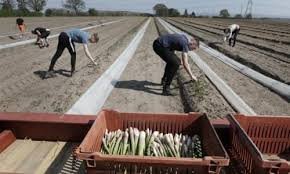
This week, the British supermarket giant Tesco signalled that shift clearly by announcing a substantial increase in its sourcing of British asparagus, boosting supply by roughly sixty percent for the coming season.
At first glance the move might appear modest — a seasonal product adjustment in the fresh produce aisle. Yet behind this decision lies a deeper transformation in how supermarkets are positioning themselves in an era defined by supply-chain vulnerability, rising food nationalism and growing consumer awareness about sustainability.
The Return of the Seasonal Calendar
For decades, supermarket expansion and global logistics allowed retailers to largely erase the concept of seasonality.
Consumers in London could purchase asparagus in winter, cherries in autumn or strawberries in January. Supply chains stretched across continents ensured that supermarket shelves remained full year-round.
But the pandemic, geopolitical tensions and energy crises have exposed the fragility of this global system. Long-distance logistics are increasingly expensive and unpredictable. Transport costs fluctuate, labour shortages disrupt harvesting and climate change creates instability in traditional agricultural regions.
Against this backdrop, Tesco’s decision to strengthen its domestic supply network appears less like a marketing exercise and more like a strategic recalibration.
British asparagus, traditionally harvested between April and June, has long been considered a seasonal delicacy. By expanding its partnership with domestic growers, Tesco is effectively betting that consumers will increasingly value freshness and local provenance over constant year-round availability.
Farmers Return to the Centre of the Supply Chain
For many British farmers, the announcement represents a welcome shift in supermarket behaviour.
Relations between supermarkets and agricultural producers have historically been complex, sometimes contentious. Farmers often complain about price pressure and the imbalance of negotiating power between growers and large retail chains.
However, the current climate may be forcing retailers to rethink those dynamics.
If supermarkets want resilient supply chains, they must maintain strong domestic agricultural networks. Without local farmers, retailers become dangerously dependent on imports vulnerable to currency fluctuations, border disruptions or climatic shocks abroad.
Tesco’s expanded asparagus programme therefore serves a dual purpose: securing reliable supply while reinforcing the perception that the retailer supports British agriculture.
The Sustainability Narrative
Environmental concerns also play a significant role in this strategy.
Food miles — the distance food travels before reaching consumers — have become a prominent issue in sustainability debates. Transporting fresh produce across continents contributes significantly to carbon emissions.
By increasing domestic sourcing, Tesco can present a narrative aligned with environmental responsibility. Locally grown asparagus typically reaches stores within hours of harvest, dramatically reducing transport emissions and preserving freshness.
For retailers operating in an era of environmentally conscious consumers, such messaging carries considerable value.
Yet critics often point out that sustainability claims in retail must be approached with caution. Packaging, refrigeration and agricultural methods can sometimes offset the environmental advantages of local sourcing.
Nevertheless, the symbolism of British-grown produce remains powerful in the supermarket marketing landscape.
Competition in the Fresh Produce Arena
Tesco’s move does not occur in isolation. The British grocery market remains one of the most competitive in Europe.
Major players such as Sainsbury’s, Asda and Aldi are all aggressively refining their fresh produce strategies.
Fresh food sections have become crucial differentiators in an industry where price competition remains relentless. While discount chains dominate pricing perception, traditional supermarkets often seek to distinguish themselves through quality, provenance and product range.
Locally sourced produce therefore becomes a powerful branding tool.
When shoppers see “British asparagus” prominently displayed in stores, it reinforces an image of freshness and authenticity — qualities that are increasingly valuable in an age of industrialised food production.
Climate Change and the Future of Agriculture
The decision to expand domestic asparagus sourcing also highlights the broader challenge of climate change.
Agricultural cycles are shifting. Warmer temperatures have already altered growing seasons across Europe. In some cases crops are arriving earlier; in others extreme weather is reducing yields.
For retailers, this unpredictability requires greater flexibility in sourcing strategies. A diversified supply network — combining domestic production with international imports — offers protection against climatic disruptions.
The early arrival of the asparagus season this year demonstrates how weather patterns are already reshaping the agricultural calendar.
While warmer springs may benefit certain crops, long-term climate volatility remains a major concern for farmers and retailers alike.
The Economics Behind the Decision
From a financial perspective, local sourcing also presents economic advantages.
Shorter supply chains often reduce transportation costs and minimise losses from spoilage. Fresh produce is notoriously perishable, and every additional day in transit increases the risk of waste.
By sourcing closer to home, supermarkets can improve shelf life and reduce food waste — a major cost factor in grocery retail.
However, domestic produce can sometimes be more expensive than imports, particularly when labour costs are higher. Retailers must therefore balance economic realities with consumer expectations and brand positioning.
Tesco appears confident that British asparagus can deliver both quality and commercial viability.
A Signal to the Market
Beyond the immediate impact on asparagus sales, Tesco’s decision sends a broader signal across the retail industry.
Supermarkets are no longer focusing solely on price leadership. They are increasingly competing on supply-chain resilience, environmental credibility and food authenticity.
Consumers, meanwhile, are becoming more attentive to where their food originates.
Labels such as “British grown” or “locally sourced” resonate strongly with shoppers who want reassurance about quality, safety and sustainability.
Retailers that successfully integrate these elements into their strategy may gain an advantage in an increasingly fragmented market.
The Cultural Value of Seasonal Food
There is also a cultural dimension to the story.
Seasonal foods once played a central role in culinary traditions. The arrival of asparagus in spring signalled the beginning of a new agricultural cycle. Farmers’ markets celebrated these seasonal rhythms.
Modern supermarkets largely erased those patterns in favour of permanent availability.
Yet consumers are slowly rediscovering the appeal of seasonal eating — food that tastes better precisely because it is harvested at the right time of year.
If Tesco’s strategy succeeds, it may encourage a broader revival of seasonal awareness within the supermarket environment.
A Small Vegetable With a Big Message
In the grand scale of global retail, asparagus might seem insignificant. It occupies a small corner of the produce aisle and represents only a fraction of supermarket revenue.
But the decision to expand domestic sourcing reflects a much larger transformation in the grocery industry.
Retailers are learning that resilience, sustainability and authenticity are becoming just as important as price competition.
By investing more heavily in British agriculture, Tesco is positioning itself at the intersection of these trends.
Whether this strategy will significantly reshape the economics of supermarket fresh produce remains uncertain.
What is clear, however, is that the humble asparagus spear has become a symbol of a wider shift in how supermarkets think about food — not merely as a commodity to be sourced globally, but as a product rooted in place, season and community.