

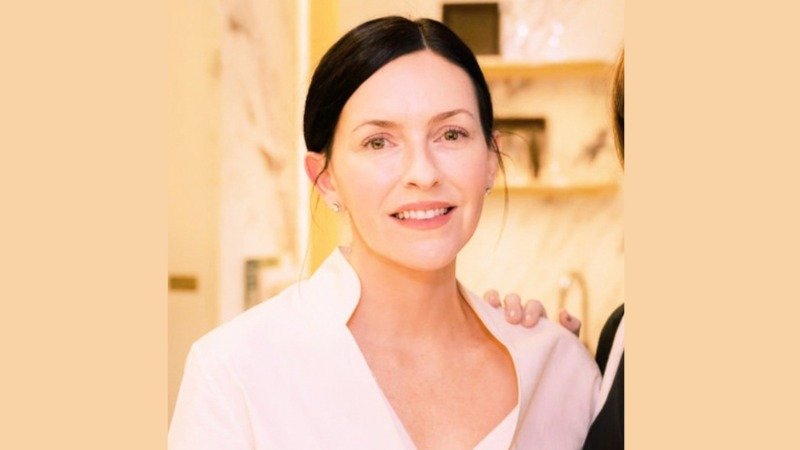
In a move that signals both urgency and ambition in global brand communication, Unilever UK has appointed Rebecca Thomas as Senior Manager of Global Brand PR for the Beauty & Wellbeing division. The hire — coming from a senior role at Edelman — is more than just another leadership change. It represents Unilever’s clear intent to shift from traditional public relations toward high‑output, integrated, reputation‑driven communication across some of its most iconic beauty brands, including Vaseline, TRESemmé and Sunsilk.
This appointment arrives at a time when consumer attention is fragmented, media landscapes are crowded, and brand narratives need to be agile, measurable, and culturally relevant. In other words, Unilever isn’t just filling a role — it’s preparing for a new era of brand influence.
Why This Matters: PR Isn’t What It Used to Be
Ten years ago, a global brand PR lead would manage press releases, product launches and occasional influencer partnerships. Today, the job has grown exponentially complex. Successful communication strategies must now operate at the intersection of:
-
Earned media and paid media alignment
-
Social conversation tracking in real time
-
Integrated multi‑market storytelling
-
Reputation management alongside marketing business outcomes
Unilever’s new role is designed to tackle all of this.
Thomas will be responsible for global PR execution for some of Unilever’s most widely distributed beauty brands. These include:
-
Vaseline, known for skincare staples worldwide
-
TRESemmé, a leader in haircare positioning
-
Sunsilk, a brand that blends heritage with youth‑oriented marketing
The position places global storytelling — not just local, reactive communication — at the heart of how Unilever’s beauty brands connect with consumers across markets ranging from North America and Europe to Asia and Latin America. This suggests a move toward “always‑on” PR, a strategy where communication isn’t episodic, but continuous and responsive.
From Campaigns to Continuous Storytelling
Unilever is effectively signaling that traditional campaign cycles are no longer sufficient. Today’s consumers want stories that feel real, consistent, and responsive to what’s happening in culture, society and their daily lives.
The beauty category, perhaps more than most, demands this. Consumer preferences shift rapidly, especially in areas like:
-
Diversity and inclusion responses
-
Sustainability narratives
-
Community‑driven engagement
-
Digital and social relevance
By elevating a leader with integrated agency experience to a global remit, Unilever is acknowledging that brand PR must be forward‑looking, deeply embedded in cultural context, and tightly coordinated with marketing strategy.
Industry observers see this as part of a broader trend: global brands no longer view PR as a supportive or secondary function. It’s now core to brand resilience, differentiation, and consumer trust.
Earned Media That Moves Business Metrics
One of the most interesting parts of this change is the underlying priority shift: from impressions to impact.
In the past, public relations success was often measured in terms of coverage — how many clips, how much reach, how many lines in a newspaper or magazine. But Unilever’s emphasis on a global PR lead suggests that earned media needs to drive measurable business outcomes.
That means PR strategy today must influence:
-
Brand preference
-
Purchase intent
-
Consumer perception
-
Crisis resilience
-
Search and social behaviour
Unilever’s hires indicate a recognition that good PR must be measurable and tied to business objectives, rather than simply descriptive.
Integrated Campaigns: The New Normal
Rebecca Thomas arrives with an agency background at Edelman, which is meaningful in itself. Agency leadership often operates at the nexus of strategy, creative communication and data‑driven measurement — skills that are increasingly essential inside global brands.
Her experience in integrated campaigns — where owned, earned, shared and paid media are aligned — positions her well to drive greater coherence across Unilever’s most important beauty assets.
This aligns with how consumers engage today: not through one off ads or press clippings, but through an ecosystem of touchpoints that must tell a consistent story across platforms, audiences and markets.
Four Strategic Priorities Unilever Is Signaling
Unilever’s decision highlights several broader shifts in global communication strategy:
-
Authenticity over broadcast messaging
Consumers are more skeptical than ever. They reward brands that listen and respond, not simply broadcast. -
Speed matters
With social and digital channels dominating discourse, brands must move faster than ever to shape narratives. -
Global consistency with local resonance
Messaging must feel unified, yet culturally relevant in each market. -
Measurement is non‑negotiable
PR strategy must demonstrate impact beyond vanity metrics — influencing both perception and profitability.
What This Means for Competitors
Unilever’s move represents a competitive signal to the entire beauty sector. Disciplined, data‑led communication strategies are no longer optional — they’re essential.
Brands that treat PR as a supporting cast risk falling behind those that see it as a strategic driver of business performance.
The Bigger Picture: PR as a Strategic Growth Lever
Public relations, once seen as a function focused on announcements and crisis management, is now inseparable from overall brand strategy. In many ways, the role is evolving to become:
-
A driver of brand relevance
-
A guardian of trust and reputation
-
A partner in business‑critical outcomes
Unilever’s investment in this role underscores a broader industry truth: Stories matter more than ever. And the brands that tell the right ones — consistently, credibly and with measurable impact — will be the ones that win.
Final Take
Rebecca Thomas’s appointment is not just a leadership change — it is a strategic investment in communication as a central growth engine. Unilever is acknowledging that the future of brand building lies in high‑output, integrated, data‑connected PR that works hand in hand with marketing, digital and business objectives.
As consumer attention continues to fragment and markets become more competitive, the distinction between communication and brand strategy will continue to blur — and Unilever is positioning itself to lead that evolution.