

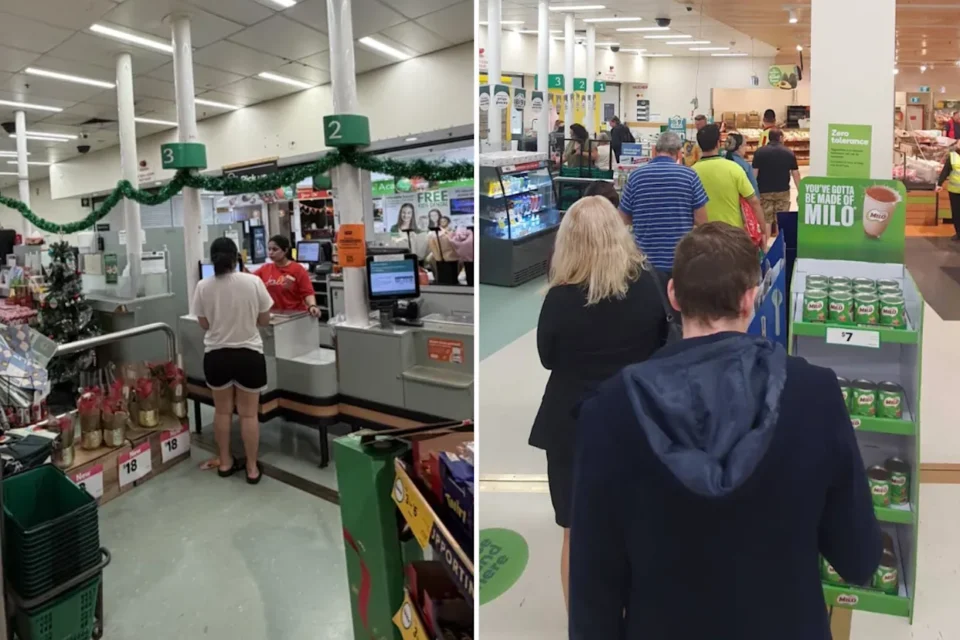
In an era dominated by automation, Woolworths Australia has made a counterintuitive move: restoring the prominence of human service in selected stores. This decision follows extensive behavioural analysis revealing that technological efficiency does not always equate to customer satisfaction, particularly in grocery retail where trust and familiarity play an outsized role.
Self-checkout technology delivered speed and labour savings, but also introduced friction, frustration, and a perception of surveillance among some shoppers. Woolworths identified that certain demographics—older customers, families, and regional shoppers—were disengaging. In response, the retailer reintroduced staffed checkout zones designed not as nostalgia, but as strategic service points.
This hybrid model reflects a more nuanced understanding of modern retail. Automation remains essential, but it must support rather than replace human interaction. Woolworths’ recalibration suggests that the future supermarket will not be defined by how much technology it deploys, but by how intelligently it integrates it into human-centred experiences.