

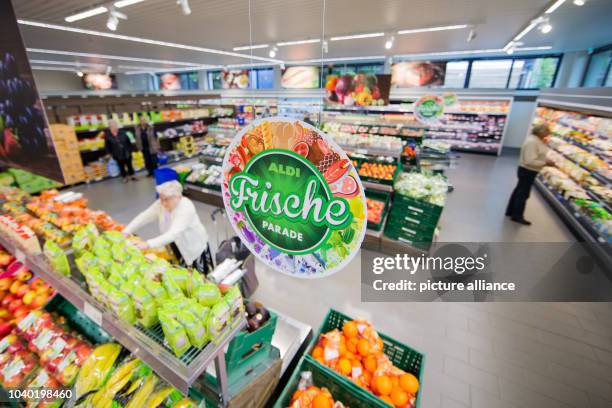

CHICAGO – Aldi is continuing its aggressive expansion across the United States, confirming two new store openings in August as part of one of the largest growth programmes currently underway in the American grocery sector. The latest openings reinforce the German discount retailer’s ambition to become one of the country’s leading supermarket operators while increasing pressure on traditional grocery chains.
The first new store will welcome customers in Lynn, Massachusetts, on 6 August, followed by another opening in Oakdale, Pennsylvania, on 13 August. Although only two stores are opening this month, they form part of a much larger strategy that will see more than 180 new Aldi supermarkets open across 31 states during 2026.
The expansion reflects Aldi’s confidence in the long-term outlook for the US grocery market despite continuing economic uncertainty. Consumers remain focused on value, and discount supermarkets continue to attract shoppers looking to reduce their weekly grocery bills without sacrificing product quality.
Aldi has built its reputation on a simplified retail model that keeps operating costs low. Smaller stores, an emphasis on private-label products, limited product ranges and efficient logistics have allowed the retailer to maintain competitive pricing while expanding rapidly across the country.
The company expects to operate nearly 2,800 US stores by the end of the year, moving closer to its long-term objective of 3,200 locations by 2028. Alongside new stores, Aldi is investing billions of dollars in new distribution centres, supply chain improvements and digital services designed to support its growing network.
The retailer’s expansion is expected to create hundreds of new jobs in retail operations, logistics and distribution. New distribution centres planned for Florida, Arizona and Colorado will strengthen Aldi’s supply chain while supporting future growth in western and southern markets.
Competition within the US supermarket industry continues to intensify. Walmart remains the country’s largest food retailer, while Kroger, Costco, Albertsons and regional supermarket chains continue investing heavily in technology, fresh food departments and online grocery services. Aldi’s rapid expansion is adding further competitive pressure, particularly in suburban communities where consumers increasingly compare prices before deciding where to shop.
Private-label products remain one of Aldi’s strongest competitive advantages. Approximately 90% of products sold in its stores carry Aldi-owned brands, enabling the retailer to maintain greater control over pricing and quality while reducing dependence on national suppliers. As inflation continues to influence shopping behaviour, more American consumers are becoming comfortable choosing retailer-owned products over established national brands.
Technology is also becoming an increasingly important part of Aldi’s strategy. The company is modernising its online platform to improve shopping convenience, making it easier for customers to browse products, plan shopping trips and access delivery services through digital partners.
Industry analysts believe Aldi’s continued expansion will reshape competition in several US markets over the next few years. Each new opening increases pressure on established supermarket operators to improve efficiency, strengthen promotions and invest further in customer experience.
For consumers, Aldi’s latest store openings represent more than additional shopping locations. They signal the retailer’s determination to continue investing in the United States while expanding access to low-priced groceries at a time when household budgets remain under pressure. As construction and recruitment continue across multiple states, Aldi is steadily strengthening its position as one of the fastest-growing supermarket chains in North America.