

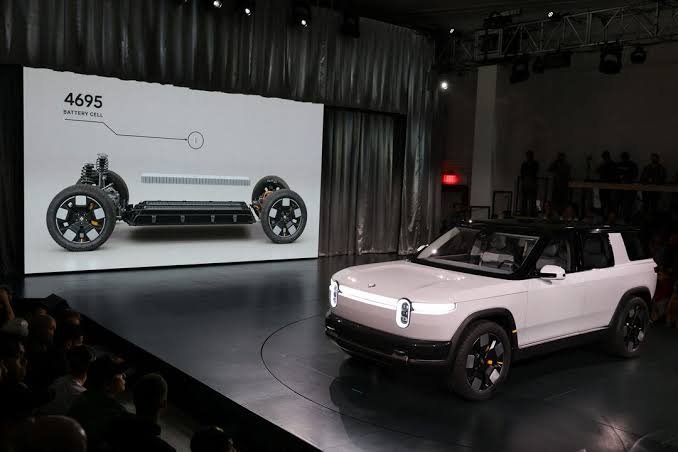

Rivian’s Affordable R2 Is Fueling a New Race in the Electric Vehicle Industry
The launch of Rivian’s upcoming R2 electric SUV is rapidly becoming one of the biggest business stories in the United States, with strong consumer interest placing the young automaker firmly in the spotlight. As anticipation builds ahead of production, the R2 is being viewed as the vehicle that could determine Rivian’s future and reshape competition in the fast-growing electric vehicle market.
Unlike the premium-priced R1T pickup and R1S SUV, the R2 has been designed for mainstream buyers. Its lower expected price is intended to make Rivian’s technology accessible to a much wider audience, allowing the company to compete directly with some of the biggest names in the automotive industry.
Industry analysts believe the R2 could significantly expand Rivian’s customer base if production meets expectations. Demand for affordable electric vehicles continues to grow as consumers look for alternatives that combine long driving range, modern technology and competitive pricing.
The enthusiasm surrounding the new model has also highlighted one of the industry’s biggest challenges—maintaining a reliable supply chain. Modern electric vehicles rely on thousands of electronic components, from battery management systems to advanced driver assistance technologies. As production volumes increase, securing these parts remains a priority for manufacturers across the sector.
Rivian has spent the past several years investing in manufacturing facilities, engineering and production capabilities to prepare for its next stage of growth. The company hopes the R2 will move the brand beyond its current premium positioning and establish Rivian as a serious volume manufacturer.
Competition, however, has never been stronger. Tesla continues to dominate the American EV market, while Ford, General Motors, Hyundai, Kia and Volkswagen are expanding their electric vehicle ranges. Chinese manufacturers are also becoming increasingly competitive, placing additional pressure on established brands to innovate faster and reduce costs.
The growing popularity of the R2 demonstrates that consumers remain highly interested in electric mobility despite a more challenging economic environment. Buyers are becoming increasingly selective, looking beyond brand recognition to evaluate technology, practicality, charging capabilities and overall value.
Investors are also paying close attention. The success of the R2 could have a major impact on Rivian’s financial performance, production volumes and future expansion plans. Delivering the vehicle on schedule while maintaining quality standards will be critical if the company hopes to strengthen investor confidence.
The excitement surrounding the R2 reflects a broader transformation taking place across the automotive industry. Electric vehicles are steadily moving from early adoption into the mainstream, encouraging manufacturers to compete not only on innovation but also on affordability and manufacturing efficiency.
As Rivian prepares for the next phase of its development, the R2 has become more than simply another vehicle launch. It represents a major test of the company’s ability to scale production, compete with global automotive giants and establish itself as a long-term player in one of the world’s fastest-changing industries.