

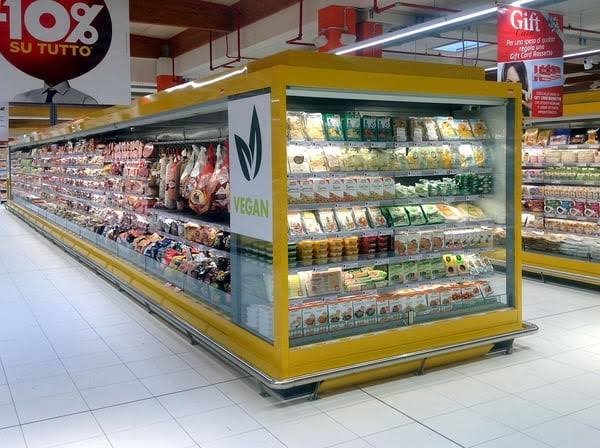

Refrigeration has become one of the most important investments in modern food retail. For supermarkets, refrigeration is no longer simply equipment used to keep fresh and frozen products at the correct temperature. It is closely connected to energy consumption, food safety, store design, product presentation, operating costs and the retailer’s environmental targets. As supermarket chains renovate ageing stores and modernise their estates, refrigeration is increasingly being considered as part of a wider store transformation rather than as a replacement of individual cabinets.
Among the companies operating in this highly competitive market, Arneg stands out as one of the major specialist suppliers to the retail sector. The company provides refrigerated display equipment, refrigeration systems and turnkey solutions for supermarkets, with its offering covering vertical, semi-vertical, serve-over, island and horizontal cabinets as well as refrigeration technologies and services. Arneg also specifically promotes store-renovation services, supporting retailers from equipment selection and design through to technical assistance and energy-related services.
From the perspective of supermarket refrigeration engineers, reliability is one of the most important considerations when equipment is selected. A refrigeration system can be technically advanced, but if it is difficult to maintain, requires frequent intervention or creates disruption to a busy store, the cost to the retailer can quickly increase. This is why experienced engineering teams tend to look beyond the initial equipment price and consider the complete operating life of the installation, including maintenance, spare parts, energy consumption, temperature stability and the availability of technical support.
Arneg’s position in the market is strengthened by its ability to provide more than individual refrigerated cabinets. The company describes itself as a global retail partner offering turnkey projects, equipment and services, while its product portfolio covers a wide range of supermarket applications. Its installations include projects for retailers such as Despar, DEM Supermarkets, Basko, Carrefour, Conad, Billa and Costco, illustrating the scale and variety of retail environments in which its equipment is used.
Epta is another major name in commercial refrigeration and represents one of Arneg’s principal competitors. The company supplies refrigeration solutions to supermarkets and hypermarkets, covering refrigerated display cases, cold rooms, refrigeration systems and customised equipment. Epta also places considerable emphasis on energy efficiency, natural refrigerants, digital technologies and services including maintenance, remote monitoring and retrofitting. Its Central and Northern European operation covers markets including Germany, Denmark, Finland, Sweden and Norway.
A third important supplier is Carrier Commercial Refrigeration, which has a long-established position in food retail refrigeration and supplies systems designed for supermarkets and other food retailers. The wider commercial refrigeration sector is increasingly focused on lower-energy solutions, natural refrigerants and systems that can help retailers reduce the operating cost of their stores while meeting increasingly demanding environmental requirements.
The market opportunity is being driven by something particularly important for equipment manufacturers: the renovation of existing supermarkets. Retailers do not need to build a completely new store to make a major investment in refrigeration. Thousands of established supermarkets across Europe have refrigeration equipment that was installed many years ago, and store refurbishment programmes provide an opportunity to replace older cabinets and refrigeration systems with equipment designed for better energy performance, improved merchandising and modern refrigerant requirements.
For supermarket engineers, this renovation cycle can be more complicated than simply removing old cabinets and installing new ones. A refrigeration upgrade can involve the entire store’s cooling infrastructure, including pipework, compressors, controls, cold rooms, display cabinets, doors, lighting, monitoring systems and the interaction between refrigeration and the wider building. A well-planned renovation can therefore become a major energy and operational project.
Energy costs are one of the strongest reasons for retailers to examine ageing refrigeration systems. Refrigeration can represent a significant proportion of a food store’s electricity consumption, particularly where large numbers of chilled and frozen cabinets operate continuously. Newer systems can combine improved cabinet design with more efficient refrigeration technologies, electronic controls, better temperature management and natural refrigerants. Retailers therefore increasingly look at the potential lifetime operating cost rather than focusing solely on the purchase price.
The regulatory environment is also pushing the market towards modernisation. European retailers are facing tighter requirements around refrigerants and emissions, while sustainability commitments are encouraging supermarket groups to reduce energy consumption and the environmental impact of their stores. This creates a long-term replacement market for refrigeration suppliers because retailers eventually have to address equipment that is inefficient, obsolete or increasingly difficult to maintain.
Climate is becoming another consideration. Recent extreme summer temperatures have demonstrated that refrigeration resilience can become a direct retail issue. In the UK during the summer of 2026, several retailers experienced problems with refrigeration equipment during periods of extreme heat, while Waitrose said it was accelerating investment in refrigeration technology capable of operating in much higher temperatures. The development illustrates a wider issue for supermarket engineers: refrigeration systems have to remain reliable not only under normal operating conditions but also as weather conditions become more challenging.
This is creating a broader market for retail refrigeration renovation. Rather than waiting for equipment to fail, retailers can use planned refurbishment programmes to replace older systems, improve energy performance, modernise the appearance of the store and introduce better temperature monitoring. Renovation can also allow retailers to reconsider the layout of chilled and frozen departments, improve product visibility and create more attractive fresh-food areas.
The market is therefore likely to remain active through the remainder of the decade as supermarket groups balance expansion with investment in their existing estates. New stores will continue to require complete refrigeration installations, but the larger opportunity for equipment suppliers may increasingly come from the enormous installed base of existing supermarkets requiring phased renovation.
For supermarket refrigeration engineers, the decision will ultimately come down to reliability, energy efficiency, service support and the ability of a supplier to deliver a complete solution. Arneg’s combination of refrigeration equipment, retail projects, technical services and store-renovation capabilities places it among the leading companies competing for this investment. Epta provides another strong European alternative with a broad portfolio and significant experience in sustainable refrigeration, while Carrier remains an established name in commercial refrigeration.
The next phase of supermarket refrigeration will consequently be less about simply replacing a refrigerator and more about renovating the cold chain of the entire store. Retailers are looking for systems that can operate reliably for many years, reduce energy costs, comply with changing environmental requirements and integrate with increasingly digital supermarket operations. For refrigeration manufacturers and engineering companies, that creates a substantial renovation market as Europe’s supermarket estate moves towards a more efficient and resilient generation of refrigeration technology.