

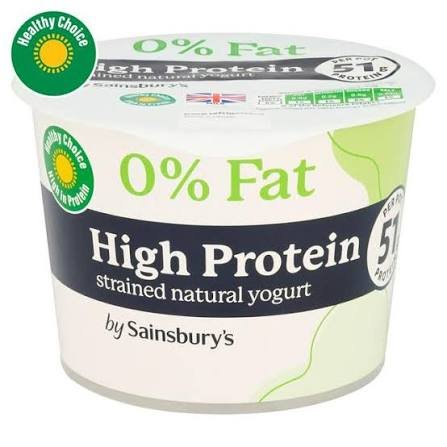

Protein is rapidly becoming one of the most powerful trends in the global supermarket industry. What was once associated mainly with athletes, bodybuilders and sports nutrition has moved into almost every part of the grocery aisle — from yogurt and milk to cereals, snack bars, crisps, desserts and ready-to-drink beverages.
Walk into a supermarket today and the message is clear: protein sells.
Younger shoppers, in particular, are increasingly looking for products that offer more protein. Research published in 2026 found that almost 60% of younger shoppers are seeking diets higher in protein, while high-protein yogurts and other protein-rich products continue to perform strongly across categories.
The trend is also changing what food companies put on supermarket shelves. Protein is no longer simply a nutritional detail printed on the back of a packet. It has become a major selling point displayed prominently on the front of the product.
From yogurt to crisps
The most interesting part of the protein boom is how far it has spread. Consumers can now find protein added to everyday foods that traditionally had little connection with sports nutrition.
Yogurt is one of the clearest examples. Danone has been expanding its high-protein offering internationally. In July 2026, Danone announced new Silk Protein yogurts containing at least 12 grams of protein per serving, alongside protein shakes containing 30 grams. The company said the products were designed to respond to strong consumer demand for protein and convenient nutrition.
Danone’s wider high-protein portfolio includes brands such as YoPRO, HiPRO and GetPRO, demonstrating how protein has become a strategic part of the company’s dairy business.
But the phenomenon does not stop at dairy. Protein is appearing in snacks, cereals, desserts and even crisps. The message to shoppers is increasingly simple: you do not have to change what you enjoy eating — you can choose a version with more protein.
Younger shoppers are driving the change
Younger consumers are particularly important to this trend. Protein is increasingly associated not only with fitness but also with energy, satiety, wellness and a more active lifestyle.
Recent consumer research found that younger generations are more likely than older consumers to look for added protein, switch brands for higher-protein alternatives and choose snacks specifically labelled “high-protein.”
This creates an important opportunity for supermarkets. A high-protein product can attract a shopper who may not have previously considered that category.
For retailers, therefore, protein is becoming more than a nutritional claim. It can be a way of attracting younger customers and increasing the frequency with which they shop in the store.
“As soon as you put it on the shelves, it will go”
In a recent discussion with a manager at a Dia supermarket, the strength of the demand became particularly clear.
The manager told me that the store sometimes cannot get enough of the high-protein products. According to him, when these products arrive and are placed on the shelves, they can sell extremely quickly.
His observation provides a valuable perspective because it comes directly from the supermarket floor. Industry reports can measure trends and consumer surveys can measure intentions, but store managers see what shoppers are actually putting into their baskets.
The message from the shelf is straightforward: if consumers see a high-protein product at an accessible price, there is strong interest in buying it.
Price is changing the equation
One of the most surprising aspects of the trend is that high-protein products do not always need to carry a significant premium.
In many supermarkets, consumers can find high-protein versions of familiar products at prices that are similar to their conventional counterparts. When the price difference is small or nonexistent, the decision becomes much easier for shoppers.
Why buy the normal yogurt if the high-protein yogurt costs roughly the same?
Why choose the ordinary snack if a high-protein alternative offers an additional nutritional benefit without costing substantially more?
This is particularly important for younger consumers, who may be interested in health and nutrition but are still conscious of their spending.
Research also shows that younger consumers are relatively willing to pay more for protein-enhanced products. However, keeping prices close to mainstream products could make high-protein food attractive to a much wider audience.
Protein becomes mainstream
The biggest change may be that protein is moving from a niche market into the mainstream supermarket.
A decade ago, a shopper looking for extra protein might have gone to a specialist nutrition shop for protein powder or a sports drink. Today, they can simply walk into a supermarket and find dozens of protein-focused choices alongside everyday groceries.
That creates a new challenge for food manufacturers and retailers. Once every brand starts adding protein, simply putting the words “high protein” on the packaging may no longer be enough. Taste, price, convenience and the overall nutritional profile will also matter.
Nevertheless, the direction of travel is clear. High-protein dairy is becoming an important growth driver, while protein is spreading across categories and markets in Europe, the United States, Australia and Asia.
The supermarket of the future may therefore look very different from the supermarket of the past. Protein will not be confined to one section labelled sports nutrition. It will be part of the everyday shopping experience.
From yogurt to crisps, from breakfast to snacks, protein has become a supermarket language — and younger shoppers are speaking it loudly.