

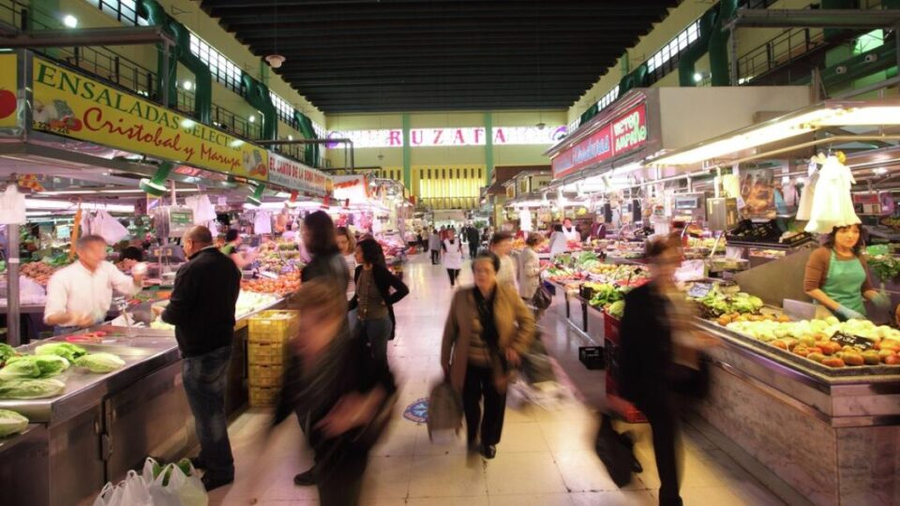

The US Federal Trade Commission (FTC) has opened the door to one of the most uncomfortable questions facing modern retail: what happens when a supermarket knows not only what you want to buy, but how much it thinks you are willing to pay?
Imagine walking into a supermarket where electronic shelf labels are connected to a sophisticated pricing system. The label does not simply display the price of the product. Behind the scenes, an algorithm could potentially take into account the location of the store, the characteristics of the area, shopping behaviour and other data to determine how a product should be priced. The technology exists to make prices far more responsive, but the question is whether there should be a line that retailers are simply not permitted to cross.
The FTC has already raised serious concerns about what it calls surveillance pricing. Its research found that pricing systems can use information such as a consumer’s precise location, browsing history, shopping history and other behavioural data to target different prices or promotions. The agency also found that some intermediaries can use search and purchase activity when determining the products or prices shown to consumers.
This becomes particularly disturbing when applied to everyday grocery shopping. A supermarket may know how much a customer normally spends, what brands they buy, how frequently they shop, which promotions they respond to and which products they repeatedly look at. If that information is combined with location and other personal data, an algorithm could potentially develop a picture of the customer’s price sensitivity.
That raises a very simple question: why should the price of a packet of coffee, a bottle of cooking oil or a box of cereal depend on how much the supermarket thinks you can afford?
There is a huge difference between a supermarket offering a customer a lower price through a loyalty programme and a system deciding that another customer does not need a discount because they are likely to pay more. One is a reward. The other could become a mechanism for extracting the maximum amount of money from an individual shopper.
Online shopping makes the situation even more uncomfortable. A consumer might search for the same product several times, visit its page repeatedly, add it to a basket and remove it, or have a history of spending a particular amount on similar products. The FTC says consumer behaviour such as browsing patterns, shopping history and even products left in an online shopping cart can be tracked and used to tailor pricing.
In other words, the question is no longer simply “What is the price?” It becomes “What price should this particular person see?”
That is a fundamental change in the relationship between consumers and retailers. Traditionally, supermarkets compete by setting a price and allowing shoppers to decide whether they want to buy. With surveillance pricing, the retailer potentially has another advantage: it can analyse the shopper before deciding what price or promotion that shopper should see.
The FTC itself has acknowledged that this technology can affect consumers shopping both online and in physical stores. Its research specifically refers to the possibility of prices being influenced by factors such as precise location, shopping habits and web browsing history.
Electronic shelf labels make the issue even more relevant to supermarkets. ESL technology allows retailers to change prices rapidly across thousands of products and stores. There are legitimate reasons for doing this, including promotions, inventory management and responding to market conditions. But the technology also creates the infrastructure for much more sophisticated pricing strategies.
The industry therefore needs to be extremely careful. A supermarket should be able to change the price of a product because its wholesale cost has changed, because a promotion has started or because stock needs to be cleared. But should it be able to change the price because its system believes you personally are prepared to pay more?
That is where regulators need to draw a clear line.
Consumers should not have to wonder whether the price on the shelf is the same price another customer is seeing, or whether their shopping history has quietly followed them into the supermarket. Nor should people have to change their browsing behaviour, clear their cookies or avoid looking at a product repeatedly simply because they fear that showing too much interest could eventually work against them.
The FTC has already asked businesses and consumers to provide information about surveillance pricing, including whether consumers have experienced different prices and whether personalised pricing is being used online. The agency has said that Americans deserve to know whether businesses are using detailed personal information to determine the prices they pay.
This is no longer a science-fiction scenario. The technology, data and algorithms are already being examined by regulators. The question now is whether regulation will move quickly enough.
Supermarkets should compete on price, quality, service and efficiency—not on how effectively they can calculate the maximum amount each individual customer might be willing to surrender at the checkout.
A price should reflect the product and the market—not the contents of the shopper’s personal data file.