
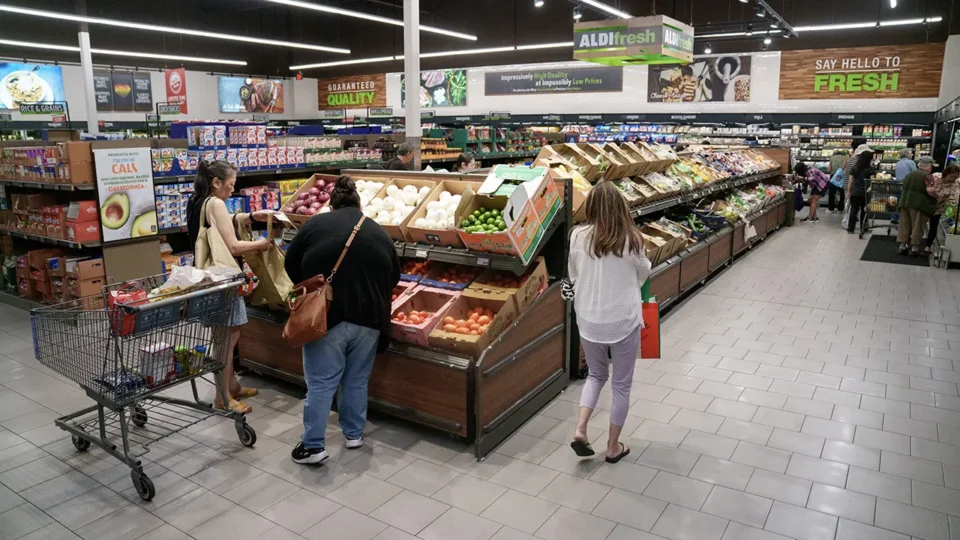
German discount supermarket giant Aldi has closed its Burnsville, Minnesota store, even as the retailer pushes ahead with a major international expansion strategy that includes opening hundreds of new locations across the United States.
The closure is being viewed by industry analysts as part of a broader portfolio optimization strategy rather than a retreat from the U.S. market. Aldi continues to invest heavily in growth, with plans to open approximately 180 new stores by the end of 2026, reinforcing its position as one of the fastest-growing grocery chains in the country.
A key part of Aldi’s expansion strategy involves the integration and conversion of stores acquired through its purchase of Southeastern supermarket chains Winn-Dixie and Harveys Supermarket. The company is in the process of converting more than 220 locations under these banners into the Aldi format, significantly expanding its footprint in the southern United States.
Despite the closure in Minnesota, Aldi’s overall strategy remains focused on aggressive expansion, particularly in suburban and fast-growing regional markets. The company has been steadily increasing its presence in the U.S. over the past decade, leveraging its low-price model, streamlined store design, and growing private-label portfolio to attract cost-conscious shoppers.
Retail experts note that individual store closures are common in large-scale expansion cycles, especially when retailers reassess performance, demographics, and long-term growth potential in specific locations. In many cases, resources are redirected toward newer or higher-performing sites.
Aldi’s expansion also comes at a time of continued competition in the global grocery sector, where major retailers are investing in pricing strategies, store modernization, and supply chain efficiency to retain customers amid inflationary pressure and changing shopping habits.
The company’s dual approach—closing underperforming locations while accelerating large-scale expansion—reflects a broader trend in the supermarket industry toward data-driven network management. Retailers are increasingly using analytics to determine where physical stores can deliver the strongest long-term returns.
As Aldi continues reshaping its U.S. footprint, the balance between strategic closures and rapid expansion is expected to remain a defining feature of its growth strategy through 2026 and beyond.