

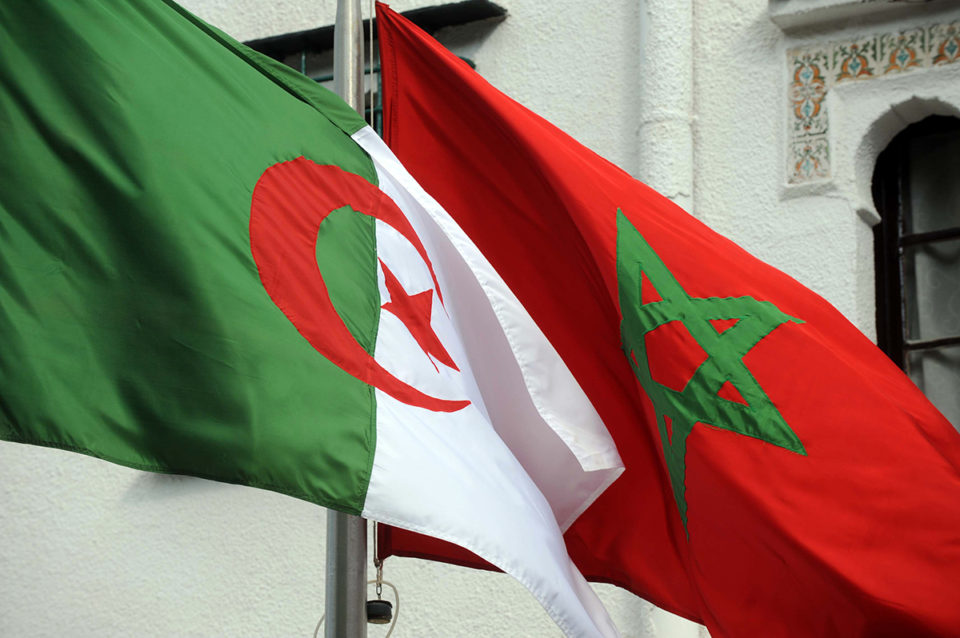
What began as humour, brotherhood and playful rivalry has evolved into one of the most creative — and chaotic — social media face-offs seen in North Africa. Algeria and Morocco, two neighbouring nations bound by history, culture and shared humour, have found themselves locked in a virtual TikTok war that is as entertaining as it is revealing.
Before the Africa Cup of Nations, the tone was very different. Algerian and Moroccan TikTok creators launched what many called an unofficial digital truce under the slogan “Khawa Khawa” — meaning “we are brothers”. Videos celebrated shared food, similar dialects, family traditions and football passion. It was light-hearted, funny and, for many viewers, refreshing. The rivalry existed, but it was friendly, almost affectionate, built on mutual teasing rather than hostility.
This fragile peace did not come from governments or official channels. It was born organically among TikTokers, influencers and football fans on both sides. Young creators exchanged jokes, stitched each other’s videos, and competed only in creativity. For a brief moment, TikTok became a space where politics disappeared and popular culture took over.
Then something went wrong.
The turning point came during the Africa Cup of Nations, when Morocco’s decision — or rather, Moroccan fans’ public stance — to support Nigeria against Algeria in the quarter-finals ignited old tensions. What might have remained a football disagreement quickly escalated. The Khawa Khawa spirit evaporated almost overnight, replaced by sarcasm, parody and sharp mockery.
From that moment, TikTok feeds on both sides changed dramatically. The platform became saturated with reaction videos, skits, edited clips and exaggerated commentary. Algerians and Moroccans began taking the mickey out of each other relentlessly. Accents were mimicked, stereotypes exaggerated, historical references revived and football failures replayed in endless loops.
What stands out is the level of creativity. This is not simple abuse or lazy insults. Many videos are cleverly scripted, professionally edited and genuinely funny — even when biting. Creators use humour as a weapon, deploying satire, irony and storytelling. Some clips feel closer to short comedy films than social media posts.
However, the rivalry crossed a more serious line when an Algerian supporter travelling to Morocco to support his national team was accused of urinating in a stadium. He was arrested by Moroccan police, an incident that sparked outrage online. Many Algerians viewed the reaction as excessively harsh, especially when compared to the treatment of international tourists in Morocco, some of whom have been involved in far worse behaviour without facing similar consequences.
This incident poured fuel on an already burning fire. TikTok responded instantly. Videos dissected the arrest, questioned double standards and reignited broader grievances. Moroccan creators responded in kind, defending their country and institutions. The conflict moved beyond football and into national pride.
Yet despite the tension, the tone remains largely comedic rather than violent. That is perhaps the most striking aspect of this digital war. Instead of calls for hatred, the battlefield is humour. Mockery replaces insults. Creativity replaces aggression. It is a rivalry fought with memes, filters and punchlines.
In many ways, this TikTok war reflects a deeper truth about Algerian and Moroccan societies. The two nations share not only borders but also humour, cultural codes and a love for playful provocation. Even when relations are strained, the language remains familiar. They know exactly how to push each other’s buttons — and exactly how to make people laugh while doing so.
What started as Khawa Khawa may have collapsed, but it revealed something important: the power of social media to shape narratives independently of politics. TikTok has become an arena where young North Africans express identity, rivalry and frustration in their own way, often with remarkable creativity.
Whether this virtual war will cool down or escalate further remains to be seen. Football emotions fade, but social media has a long memory. For now, one thing is certain: if there is a prize for the most imaginative online rivalry, Algeria and Morocco would be serious contenders.