

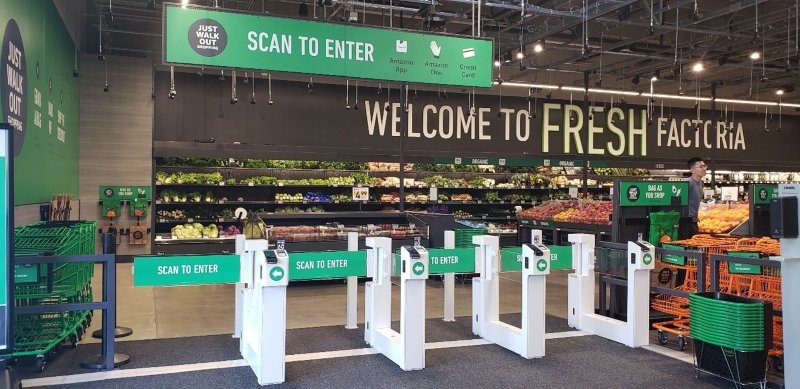
Amazon’s approach to the grocery business in the United States is undergoing a major transformation as the company retreats from its experimental convenience store formats and redirects its focus toward larger supermarkets and expanded online delivery services. Over recent years, Amazon had invested heavily in Amazon Go and Amazon Fresh outlets — small physical stores designed as laboratories for retail innovation. These locations were meant to showcase technology such as sensor‑based checkout systems and offer convenient grab‑and‑go food shopping. Despite significant fanfare around these concepts and years of testing, the stores ultimately failed to establish a compelling commercial model at the scale Amazon had hoped. Faced with that reality, the company has decided to shut down most of its existing Amazon Go and Fresh stores, signaling a strategic reset in how it engages with in‑person grocery retail.
The decision to close these stores, which numbered in the dozens across urban centers and suburban markets, marks a significant shift in Amazon’s retail footprint. Instead of maintaining a patchwork of small‑format stores that struggled to attract consistent foot traffic and profitable growth, Amazon is prioritizing expansion in areas where it has seen stronger customer traction and clearer economic returns. Chief among these is Whole Foods Market, the upscale grocery chain Amazon purchased nearly a decade ago. Whole Foods has become one of the company’s most successful physical retail platforms, offering a wide selection of natural, organic, and high‑quality products that appeal to a broad segment of the grocery‑shopping public.
Under the new strategy, select sites currently operated as Amazon Fresh or Go locations will be converted into Whole Foods stores, while Amazon plans to open additional new Whole Foods outlets in markets where it sees potential for growth. By concentrating on Whole Foods, Amazon aims to leverage an established grocery brand with strong consumer recognition and loyalty, rather than continuing to build its own store brands from scratch.
Alongside the reconfiguration of physical stores, Amazon is intensifying its investment in online grocery delivery. The company has already built one of the nation’s largest e‑commerce fulfilment networks, and delivery services have become central to its grocery strategy. As consumers increasingly seek convenience and speed, Amazon is expanding its same‑day and next‑day grocery delivery offerings, bringing fresh and frozen foods directly to doorsteps in thousands of communities. This push reflects broader changes in consumer behaviour, with more shoppers embracing digital ordering and home delivery for routine grocery purchases.
The shift away from Amazon Go and Amazon Fresh does not signal an end to Amazon’s interest in retail innovation. Rather, it reflects a recalibration of where the company believes it can compete most effectively. Amazon is exploring new store formats that combine broader product assortments — including groceries alongside everyday household goods — in larger spaces that resemble traditional supermarkets more than convenience stores. It is also experimenting with concepts that blend digital convenience with in‑store experiences, aiming to meet evolving shopper expectations while keeping operational costs under control.
This realignment occurs against the backdrop of intensifying competition in the grocery sector. Traditional supermarket chains such as Walmart, Kroger, and regional players continue to adapt their own digital and delivery capabilities, while discounters and new market entrants push pricing pressures throughout the industry. For Amazon, enhancing the scale and efficiency of its delivery services, while anchoring its physical presence in a strong brand like Whole Foods, represents a strategic response to these competitive realities.
The closure of smaller Amazon‑branded grocery stores is accompanied by internal efforts to redeploy staff and align resources with the company’s future priorities. By consolidating operations and streamlining its retail formats, Amazon aims to reduce complexity and focus investment on growth areas that show the greatest promise. The company’s leaders believe that by strengthening Whole Foods and expanding digital delivery, Amazon can better meet the needs of customers who increasingly value convenience, variety, and reliability in their grocery shopping.
In summary, Amazon’s grocery strategy is transitioning from experimental technology‑led convenience stores toward a model anchored by well‑established supermarket formats and a robust online delivery infrastructure. This shift reflects both the challenges of scaling innovative retail concepts and the opportunities presented by changing consumer habits and competitive pressures. As the retail landscape continues to evolve, Amazon’s renewed focus on delivery and supermarkets positions it to remain a major player in the future of grocery retail.